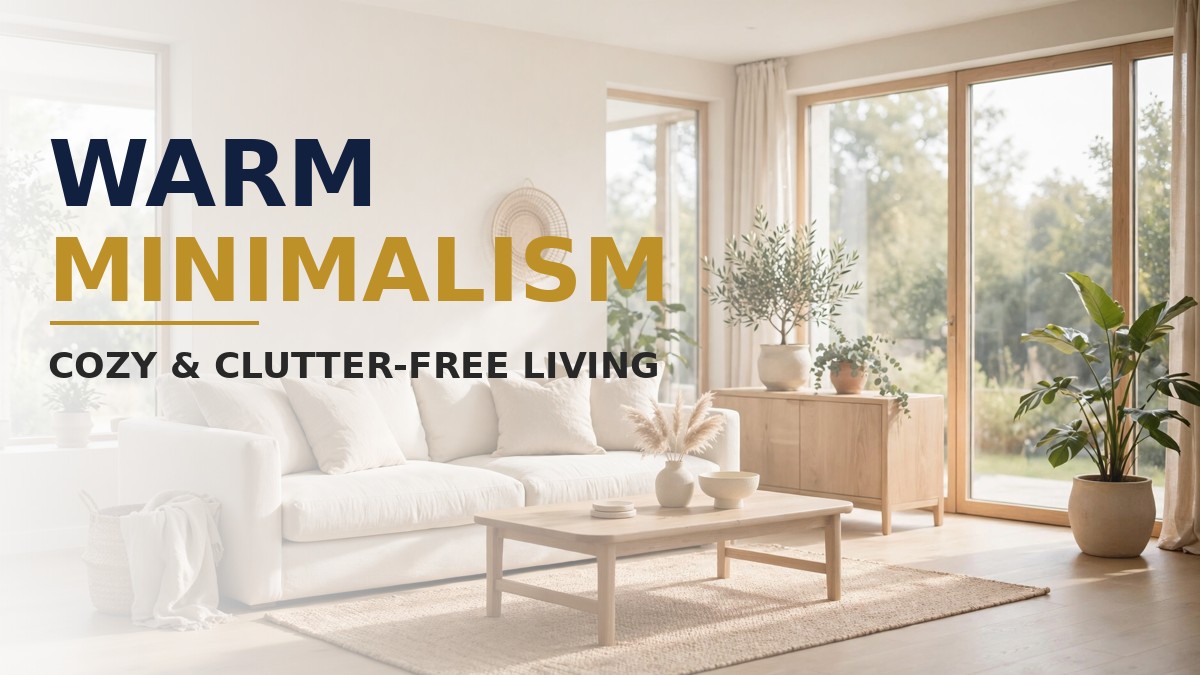
Wall Panelling Ideas: Modern Ways to Add Character to Walls
Plain walls can make even a pretty room feel a little flat. I learned this the hard way when I moved into my first home. The furniture was nice, the floors looked good, but the walls felt empty and cold. Then a friend suggested wall panelling ideas, and everything changed. One weekend of adding simple panels to my living room gave the space the kind of character I thought only expensive renovations could bring.
Wall panelling is simply the art of adding boards, moldings, or slats to your walls to create texture and depth. It has been around for centuries, but today’s styles feel fresh and modern. You can go classic with soft white wainscoting, or bold with dark painted panels behind your TV. The best part is that many wall panelling ideas are cheap, renter friendly in some cases, and easy enough for a beginner to try on a weekend.
In this guide, I will walk you through eleven wall panelling ideas that add real character to your walls. We will cover different styles, paint tricks, and the rooms where panelling shines the most. By the end, you will know exactly which look fits your home and your budget. Let us get started.
1. Classic Wainscoting for a Timeless Feel
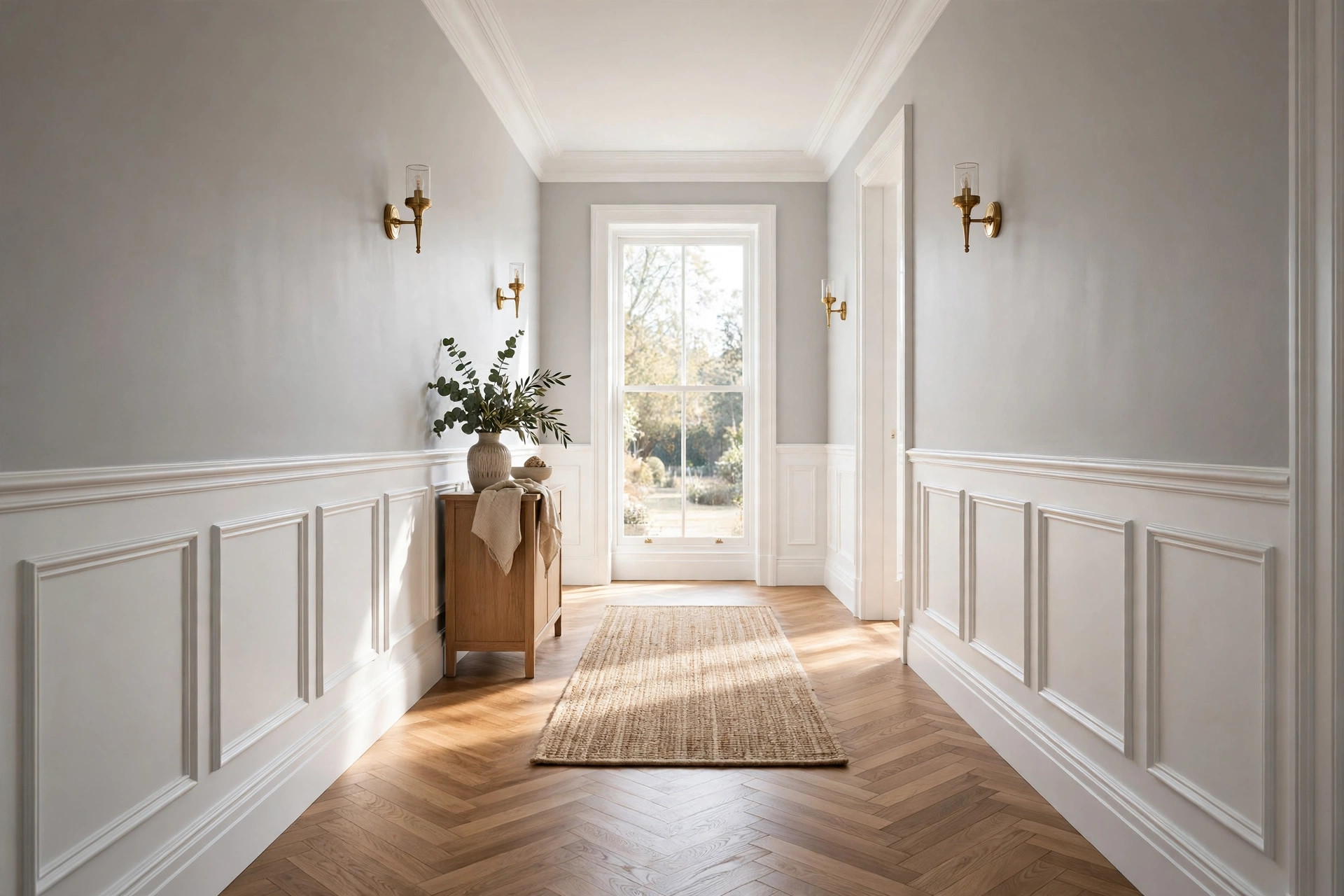
Wainscoting is one of the oldest wall panelling ideas, and it still looks amazing today. It covers the lower half of a wall, usually about one third of the height, with raised or recessed panels. The classic color is white or cream, which makes any room feel brighter and cleaner.
This style works beautifully in hallways, dining rooms, and entryways. It protects your walls from scuffs and marks, which is great if you have kids or pets. It also adds a formal touch that makes a plain room feel finished and polished.
To keep it modern, pair white wainscoting with a bold wall color above it. A deep navy or warm sage above crisp white panels feels fresh, not old fashioned. Keep your furniture simple so the walls stay the star of the show.
2. Shaker Style Panels in the Living Room
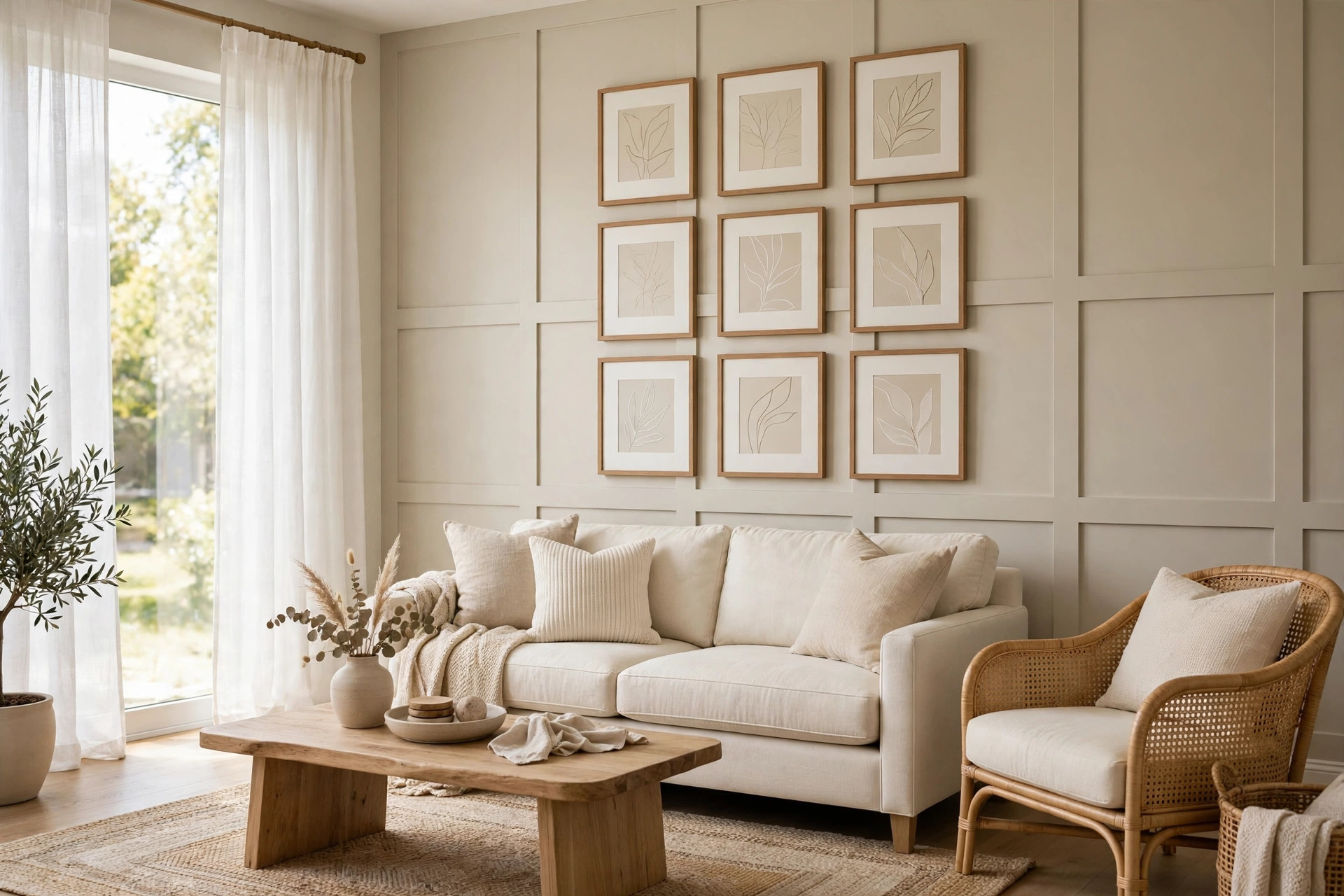
Shaker style panelling uses simple square or rectangle frames with clean lines. There is no fancy carving, which is why it fits so well in modern homes. These frames are made from thin wood strips nailed to the wall in a grid pattern.
This is one of my favorite wall panelling ideas for a living room accent wall. Paint the panels the same color as the wall for a soft, subtle texture, or use a slightly darker shade for more drama. Shaker panels add rhythm to a big blank wall without making the room feel busy.
The cost stays low because the wood strips are thin and cheap. You can finish one wall in a single day. Just make sure your lines are level. A crooked frame is the one mistake that will show.
3. Warm Wood Slats for a Cozy Bedroom
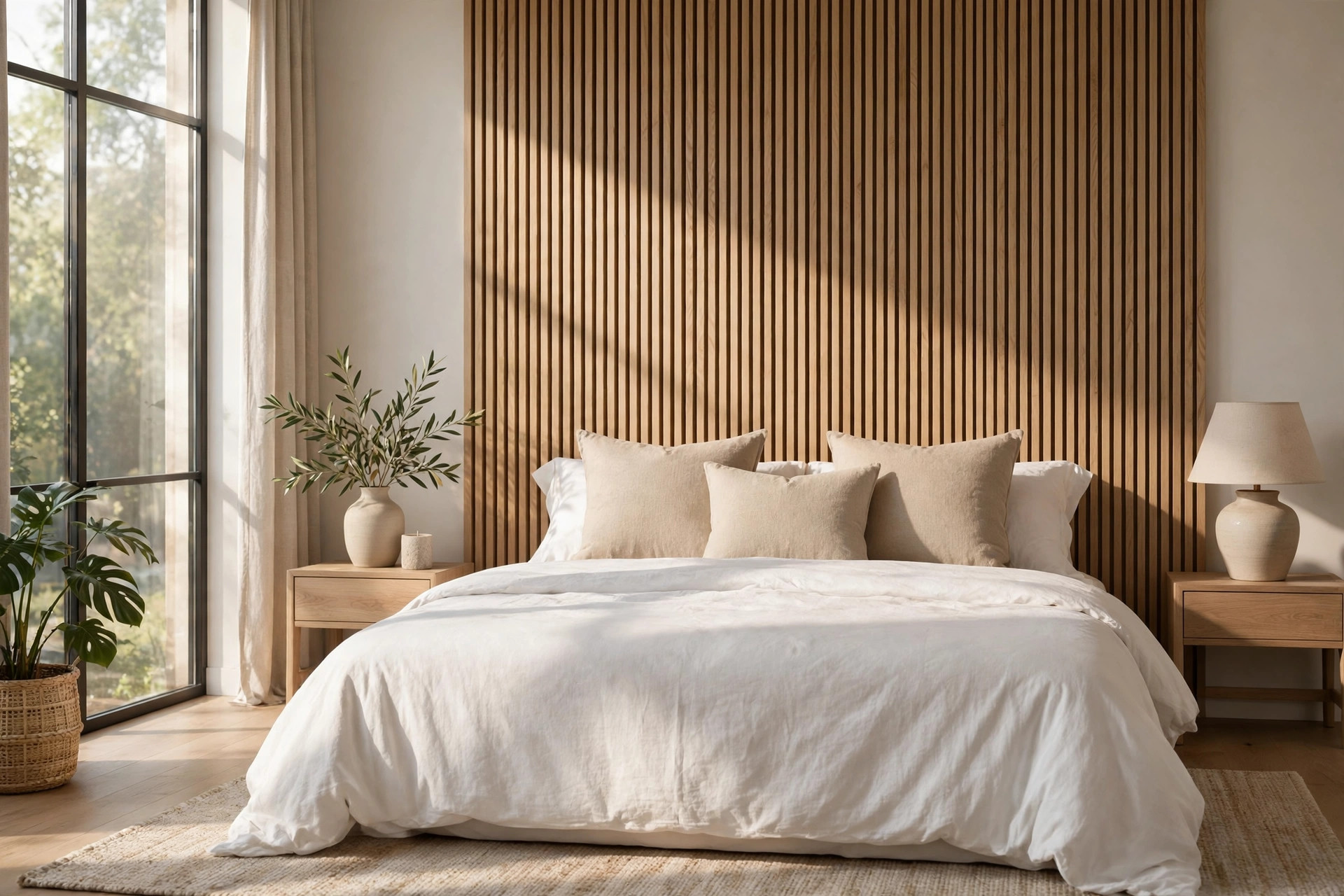
Vertical wood slats are one of the most loved wall panelling ideas right now. Thin strips of wood run from floor to ceiling with small gaps between them. The result is a warm, natural accent wall that feels both modern and cozy.
This style is perfect behind a bed. The wood adds warmth that soft bedding alone cannot give. Light oak and walnut tones work best. Dark wood can feel heavy, so keep the rest of the room light with white bedding and soft curtains.
Wood slats also help with sound. The texture breaks up echo, which makes a bedroom feel quieter and calmer. If you love the idea of a cozy bedroom that feels warm and welcoming, a slat wall is the perfect starting point.
4. Board and Batten in the Dining Room
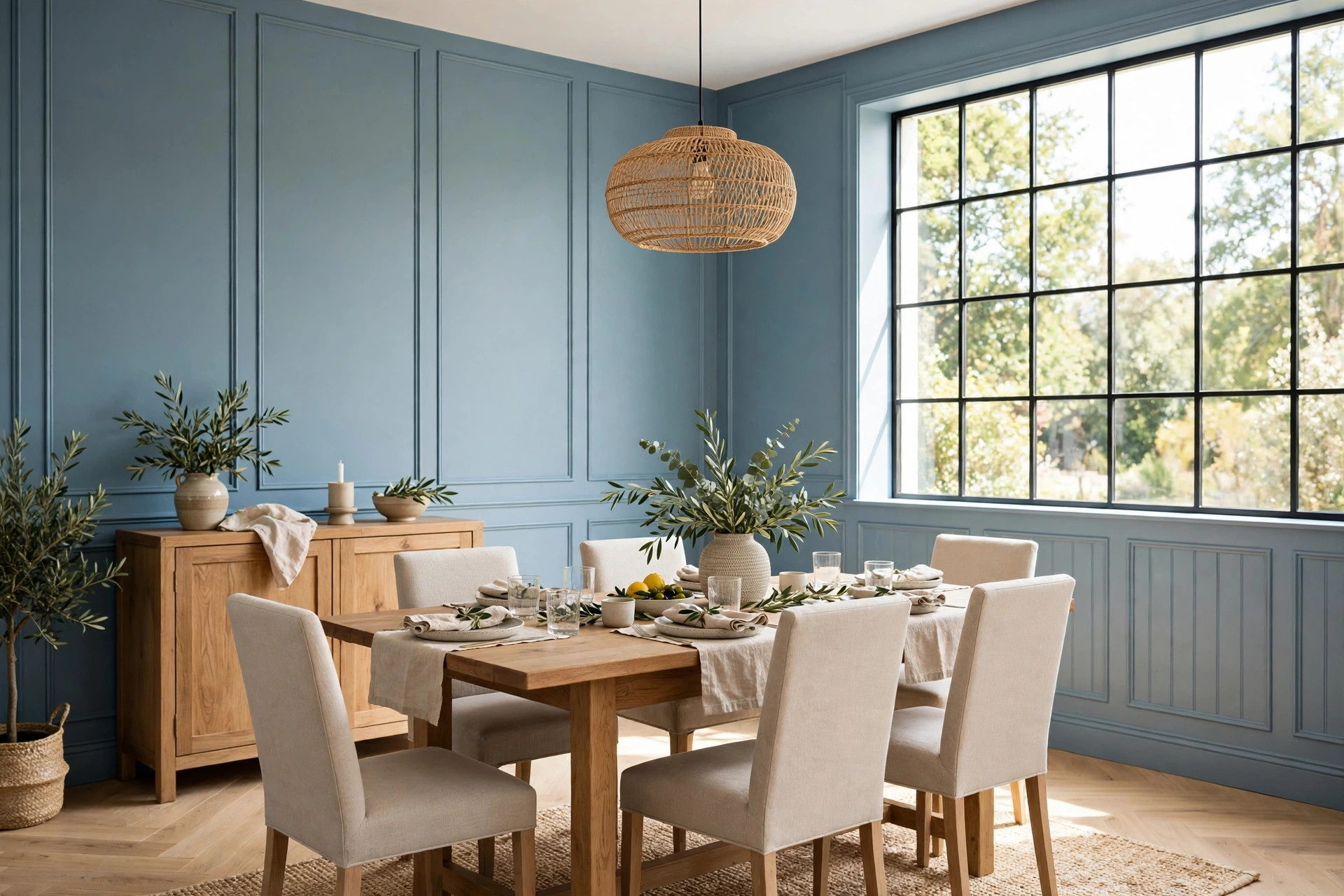
Board and batten is a wall panelling idea with real charm. Wide vertical boards are spaced evenly along the wall, and thin battens cover the seams between them. It started in farmhouses and barns, but painted in a fresh color it feels totally modern.
Your dining room is a great place for this style. It gives the room a relaxed, welcoming feel that makes guests want to stay for dessert. White or soft gray are safe choices, but do not be afraid of color. A dusty blue board and batten wall looks stunning with a wooden dining table.
This project is beginner friendly. The boards hide small wall flaws, and the straight lines are easy to measure. It is also cheap, since you only need thin boards and paint.
5. Painted Panelling in Deep, Moody Colors
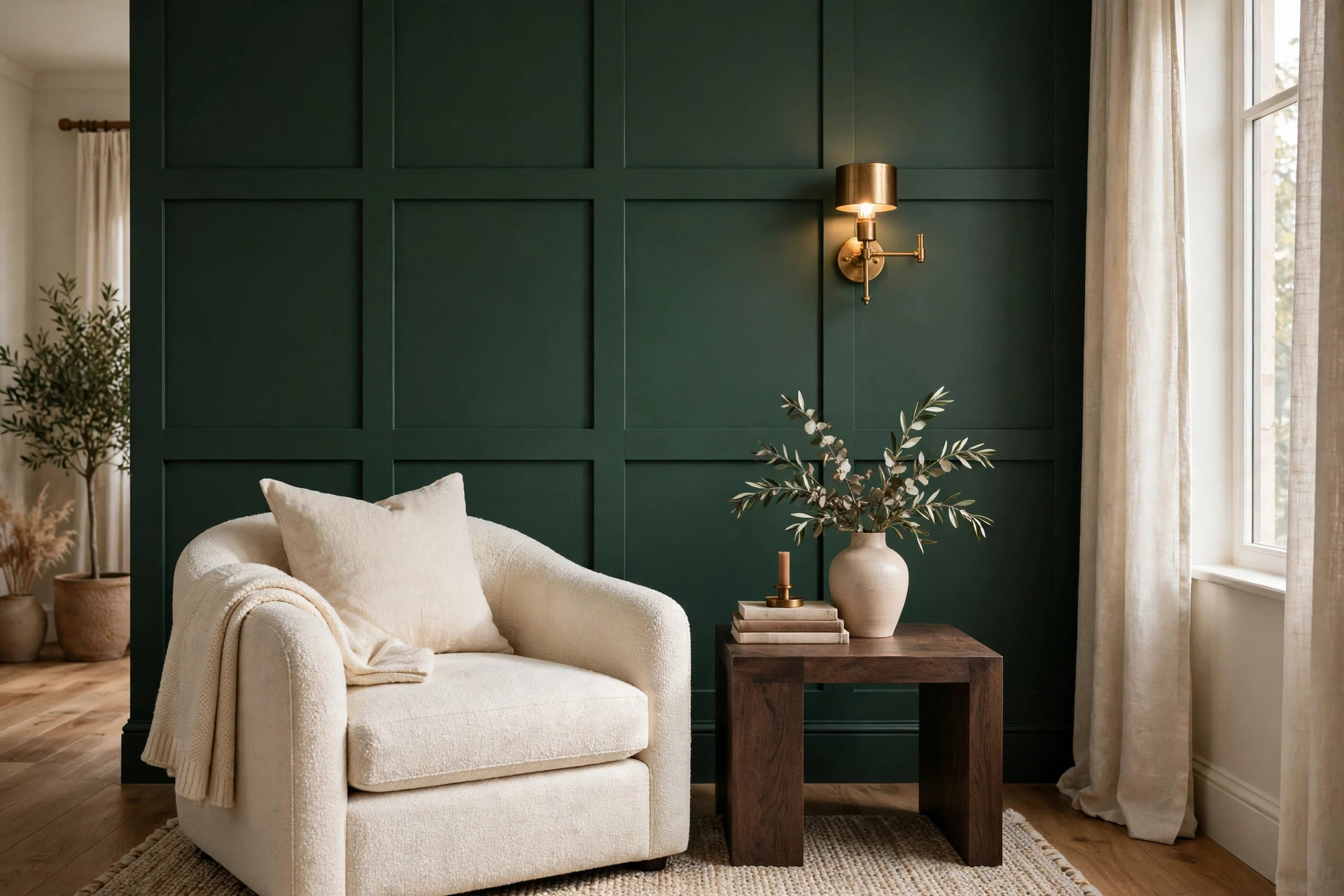
Here is a secret many designers use. Simple flat panels look expensive when painted in a deep, moody color. Dark green, charcoal, and inky navy turn basic panelling into a rich, high end feature.
These wall panelling ideas work best on one accent wall. A dark painted panel wall behind your sofa or bed creates a cozy focal point. The rest of the room should stay light so the space does not feel closed in.
Use a satin or eggshell paint finish. Flat paint can look dull on panels, while full gloss shows every bump. Satin gives you that soft glow you see in magazine photos. Always test the color on a small board first, because dark colors change a lot under different light.
Best paint colors for moody panelling
Forest green, deep navy, and warm charcoal are the most forgiving dark colors for beginners. They pair well with brass, wood, and cream furniture, so your existing pieces will still match.
6. A Statement Wall Behind the TV
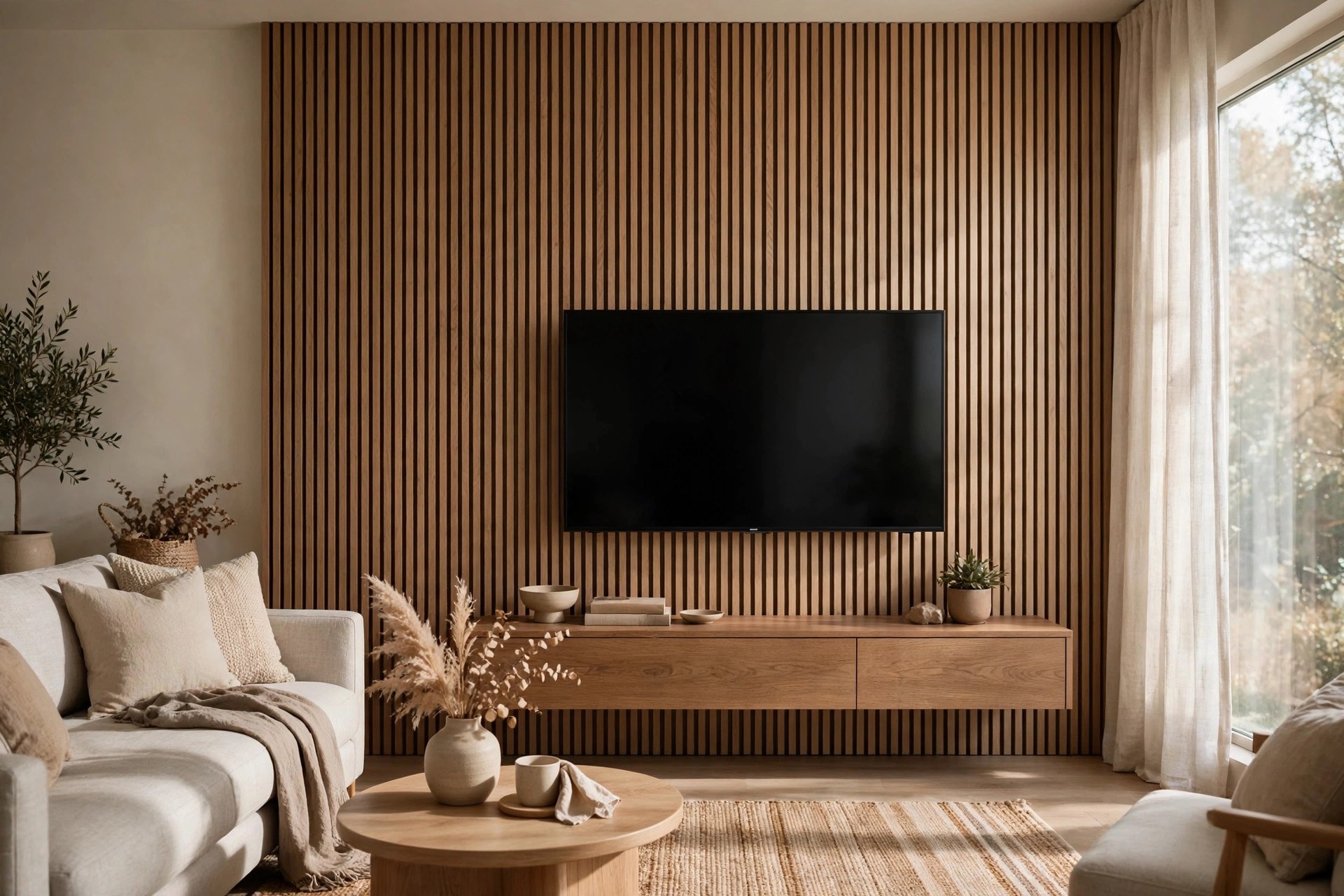
The wall behind your TV is usually the most boring wall in the house. Cables, a black screen, and nothing else. Wall panelling turns this dead space into a feature wall that looks good even when the TV is off.
Vertical slats or flat panels in a warm neutral color work well here. The panels frame the TV nicely and draw the eye, so the screen feels like part of the design instead of an afterthought. You can also build a shallow ledge or shelf into the panelling to hold a soundbar or small decor pieces.
One smart trick is to run the panelling across the full width of the wall, even if the TV is small. This makes the room feel wider and more balanced. Add a soft floor lamp nearby so the wall glows warmly in the evening.
7. Panelling on the Ceiling for a Surprise Touch
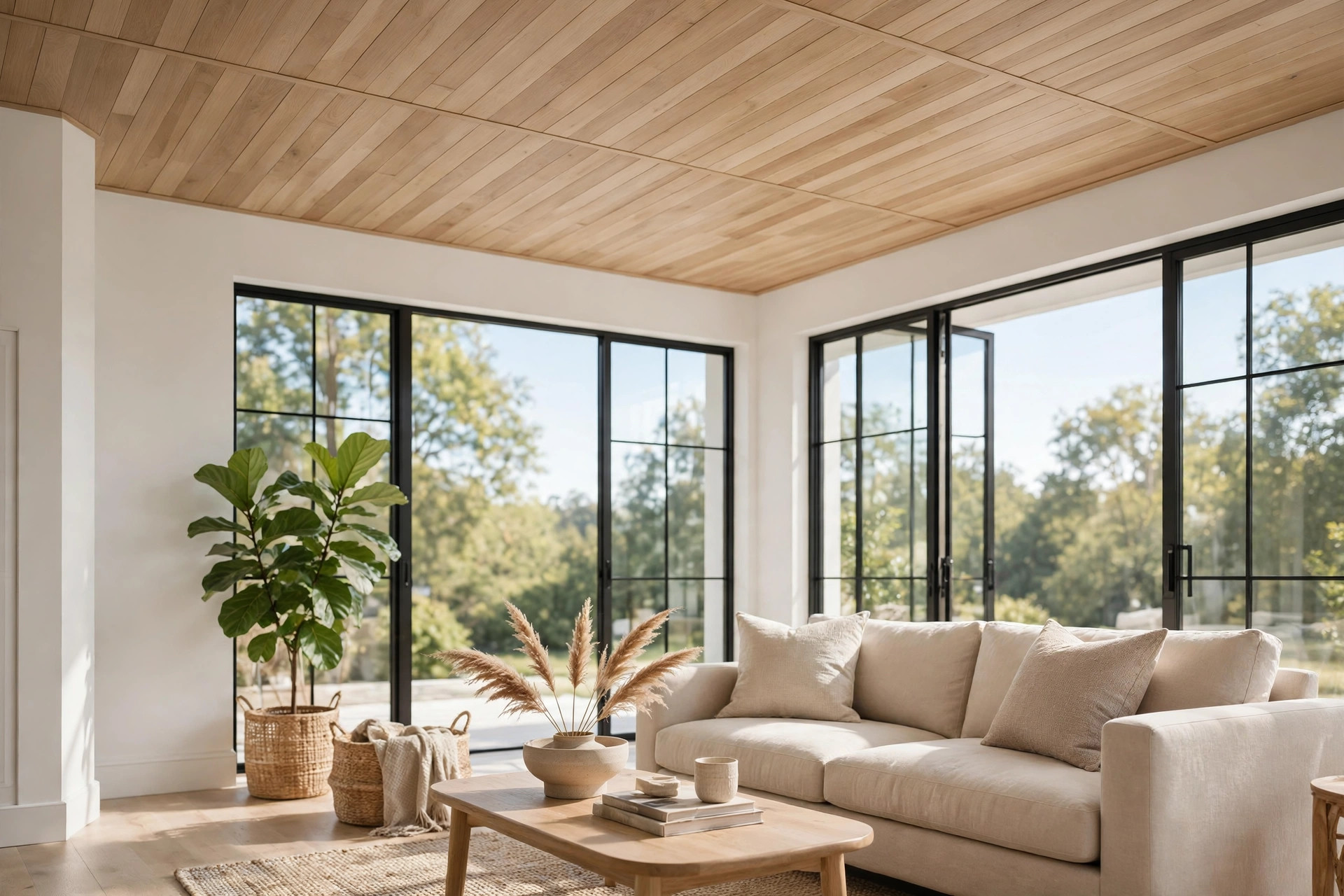
Most people forget the ceiling, but it is the largest surface in the room. Adding panelling up there is one of the most unexpected wall panelling ideas, and guests always notice it.
Light wood planks on the ceiling make a room feel warm and welcoming. White painted panels give a classic cottage feel. The key is to keep the ceiling panelling simple. Busy patterns overhead can feel heavy, so choose clean lines and light colors.
This idea works especially well in rooms with high ceilings or lots of windows. The panelling adds interest without taking up any floor space. It also photographs beautifully, which is a bonus if you love sharing your home online.
8. Moisture Safe Panelling in the Bathroom
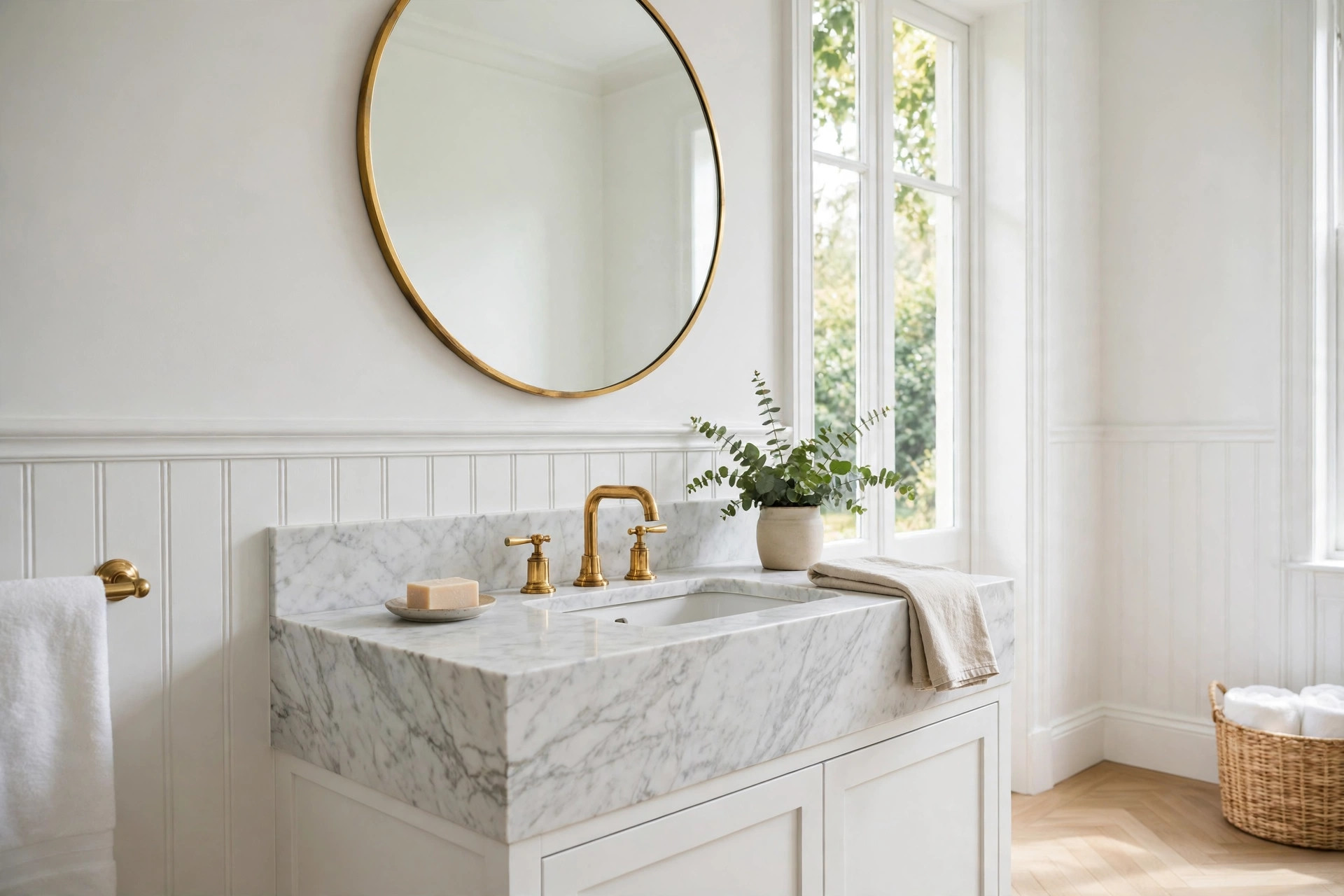
Yes, you can use wall panelling in a bathroom. The trick is choosing the right material. Solid wood can warp in steam, but moisture resistant MDF or PVC panels handle humidity just fine.
White panelling in a bathroom looks clean and fresh, like a boutique hotel. It pairs perfectly with brass taps and a round mirror. You can panel the full wall or just the lower half with a tile ledge on top, which is both pretty and practical.
Make sure every panel is sealed with a waterproof primer and a good coat of bathroom paint. Leave a tiny gap at the floor and fill it with caulk so water cannot sneak behind the boards. With these steps, your bathroom panelling will look great for years.
Where to place bathroom panelling
The wall behind the mirror or the wall facing the door gets the most visual impact. Avoid placing wood panels inside the shower area, where constant water spray will wear them down fast.
9. Small Entryway, Big Impact
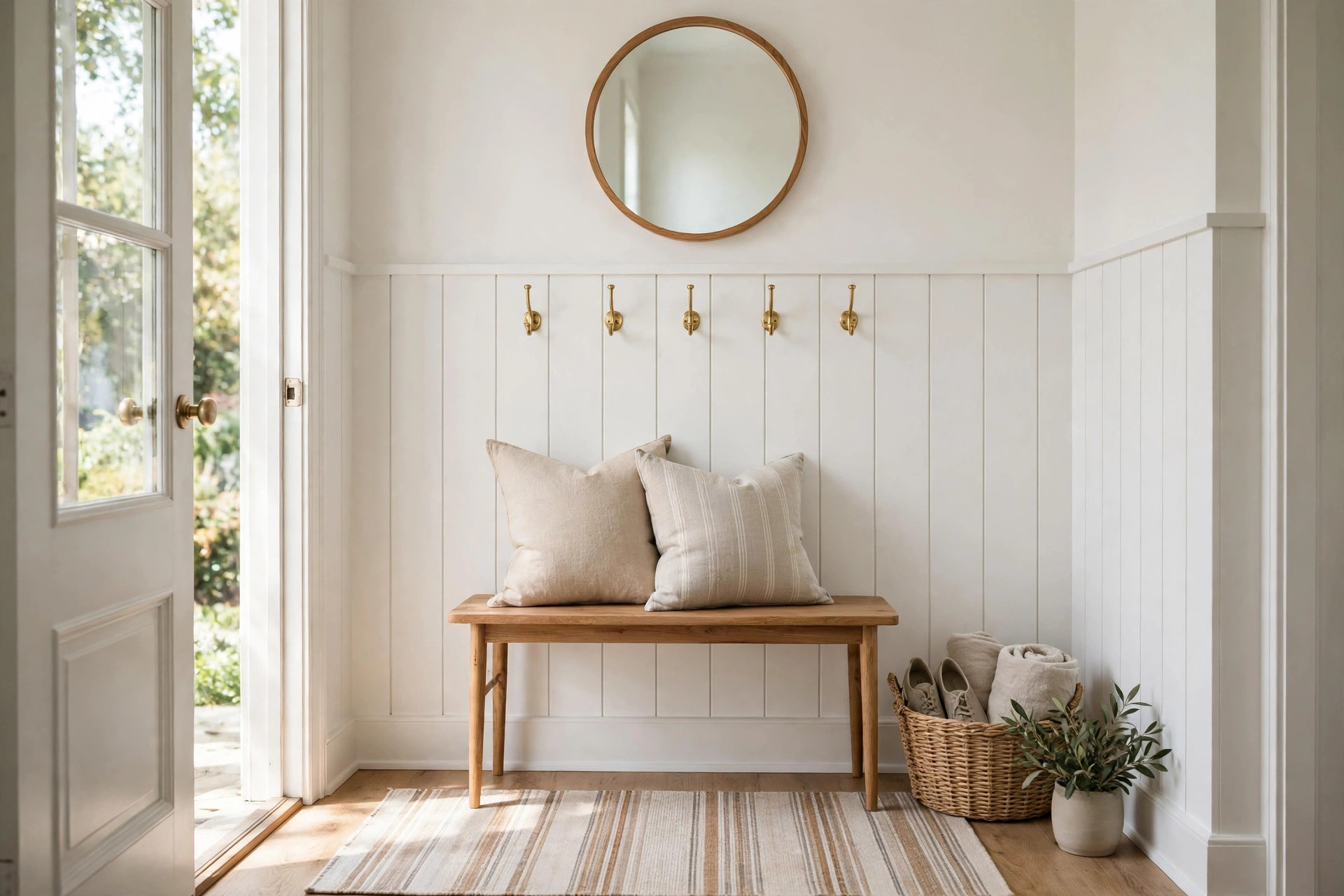
The entryway is the first thing guests see, yet it is often the last room we decorate. A small panelling project here gives your whole home a polished first impression.
In a narrow entry, run panelling on just one wall. Vertical panels or tall shaker frames draw the eye upward and make the space feel taller. Add a slim bench, a few wall hooks, and a mirror, and the whole corner feels planned and welcoming.
Keep colors light in a small entryway. White, cream, or pale gray panelling bounces light around and stops the space from feeling cramped. A runner rug on the floor completes the look.
10. DIY Weekend Installation Tips
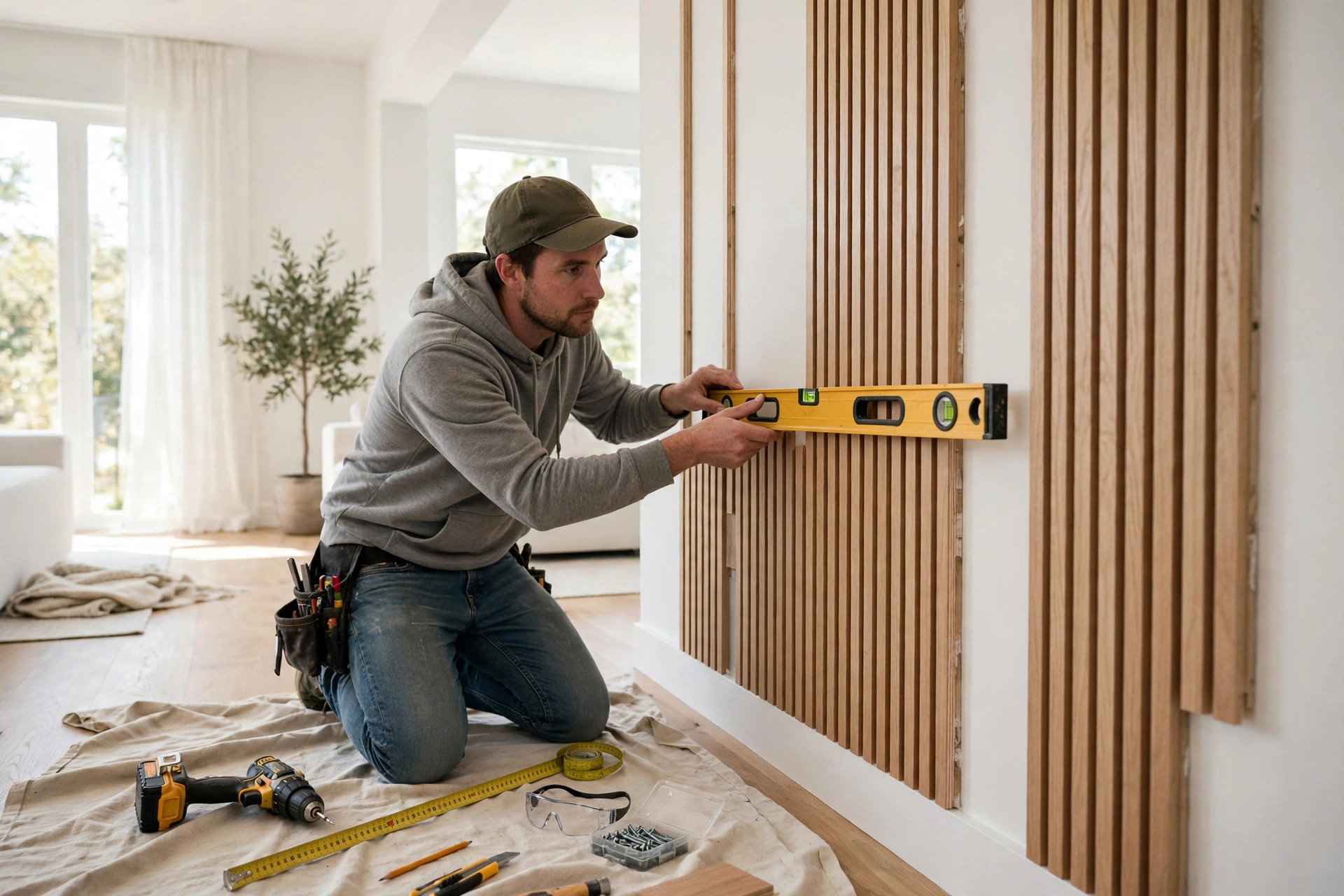
Most of these wall panelling ideas are perfect for a weekend DIY project. You do not need to be a carpenter. Here is a simple plan that works for shaker, board and batten, and basic frame styles.
First, measure your wall and draw your design on paper. Mark where each board goes with a pencil. Second, gather your tools. You will need a tape measure, a level, a saw or a pre cut kit, wood glue, a nail gun or strong nails, caulk, and paint. Many home stores sell panelling kits with pre cut strips, which saves a lot of time.
Start by attaching the strips with glue and nails, checking the level as you go. Fill nail holes with wood filler and run caulk along every seam for a smooth finish. Let the caulk dry, then paint two coats. That is it. The caulk step is what makes DIY panelling look professional, so do not skip it.
Safety and prep tips
Turn off power to any outlets on the wall before you start nailing. Move furniture away and lay a drop cloth. Wear safety glasses when cutting wood, and work in a ventilated room when painting.
11. Mixing Panelling with Wallpaper and Art
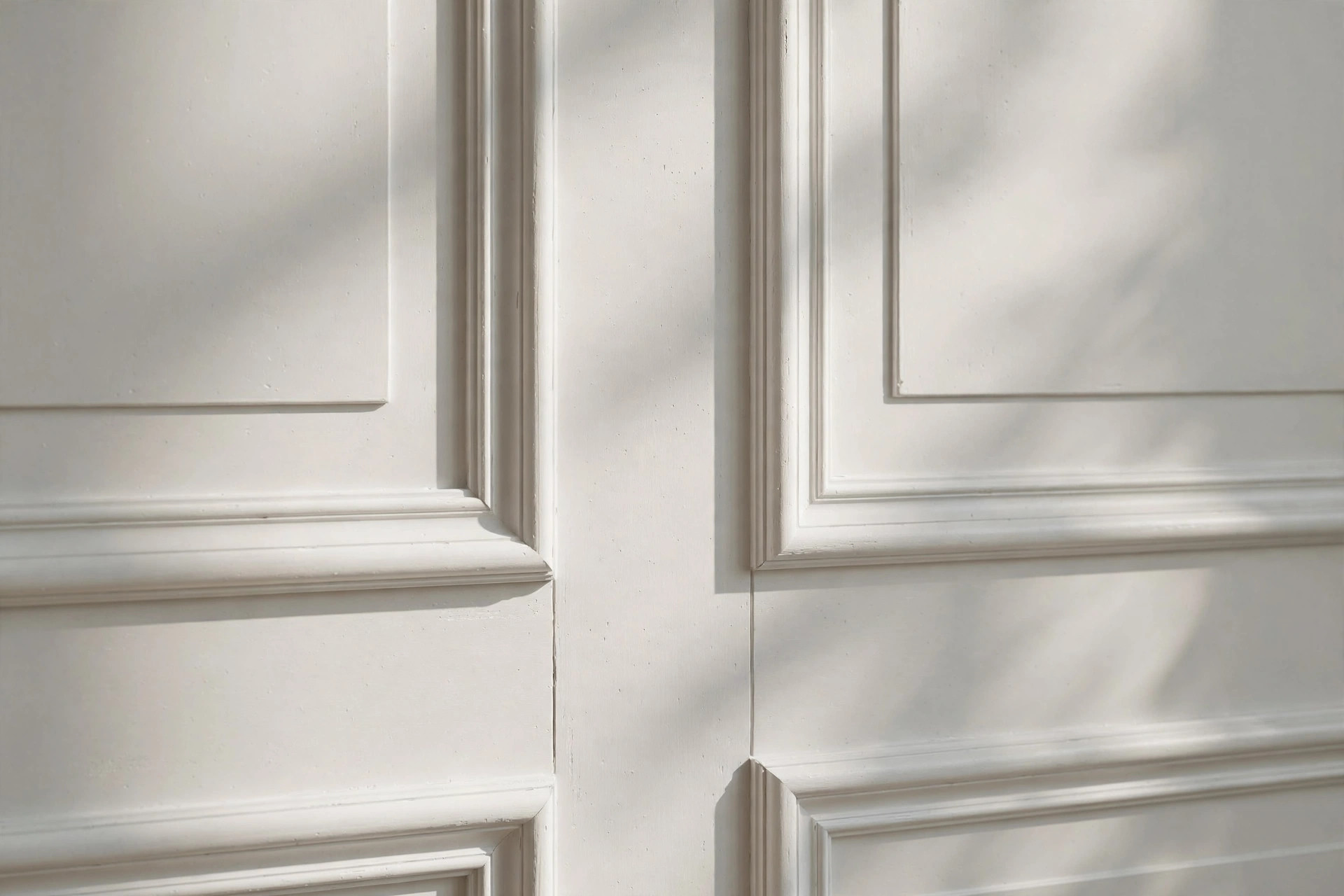
You do not have to choose between panelling and other wall finishes. Some of the prettiest rooms mix them. Try panelling on the lower half of the wall and wallpaper on the upper half. The panels ground the room while the wallpaper adds pattern and fun.
If you like this layered look, explore peel and stick wallpaper ideas for the upper wall. Peel and stick paper is easy to change, so you can try a bold pattern without fear. It pairs perfectly with crisp white panelling below.
Large art also looks amazing on panelled walls. A big framed print over shaker panels creates a gallery feel. Keep the frames simple so they do not fight with the panel lines. One large piece usually beats a busy gallery wall on a panelled surface.
Frequently Asked Questions
Is wall panelling expensive?
Not necessarily. Simple styles like shaker frames or board and batten cost very little because they use thin wood strips and paint. Many homeowners finish one accent wall for less than the cost of a nice rug. Custom hardwood panelling costs more, but paint grade options keep budgets low.
Can I add wall panelling myself, or do I need a professional?
Most simple styles are great DIY projects. If you can measure, cut straight lines, and use a level, you can install shaker panels, board and batten, or flat trim. Professional help is only needed for curved walls, full room hardwood jobs, or rooms with tricky corners.
Does wall panelling make a room look smaller?
It depends on the style and color. Dark panels on every wall can make a room feel smaller, but one accent wall in a light color often makes a room feel bigger and more finished. Vertical panels draw the eye up and make ceilings feel taller.
What is the easiest wall panelling idea for beginners?
Shaker style square frames are the easiest place to start. You only need thin wood strips, a level, and paint. Pre cut panelling kits from home stores make it even simpler, since the measuring and cutting are already done for you.
Can wall panelling be removed later?
Yes, most panelling can be removed. It is nailed and glued to the wall, so removal takes some work and you will need to patch nail holes and repaint. If you think you might want to change things later, use lighter glue or fewer nails so removal is easier.
What paint finish works best on wall panelling?
Satin or eggshell finishes are the best choice. They are easy to clean, hide small flaws, and give panels a soft glow. Avoid flat paint, which marks easily, and high gloss, which shows every bump and brush stroke.
Final Thoughts
Wall panelling ideas like these prove that you do not need a big budget or a full renovation to give your home real character. A few wood strips, a level, and a weekend are all it takes to turn a flat, boring wall into a feature you love looking at every day.
Start with one accent wall in the room you spend the most time in. Try shaker panels if you want easy, wood slats if you want warmth, or a moody painted wall if you want drama. Measure twice, caulk every seam, and take your time with the paint. Your walls will thank you.
Now I would love to hear from you. Which of these wall panelling ideas will you try first? Tell me in the comments, and share a photo if you take on the project. And if this guide helped you, pass it along to a friend whose walls could use a little love.