
How Much Does an Interior Designer Cost in 2026?
Are you dreaming of a beautiful home but worried about the price of help? You are not alone. The interior designer cost is one of the first things people search for before they start a room makeover. And it makes sense. You want to know what you are getting into before you pick up the phone.
The honest answer is that the cost can vary widely. Some people pay for a single hour of advice. Others pay for a full home project that lasts months. The price depends on where you live, how big your project is, and how the designer charges. There is no single fixed price for design work.
But do not let that scare you. Once you understand the common ways designers charge, you can plan your budget with confidence. You can also learn where you can save money and which services you can skip. This simple guide walks you through everything: the fee types, what drives the price up or down, cheaper options like e-design, and smart ways to keep costs low.
The Main Ways Interior Designers Charge
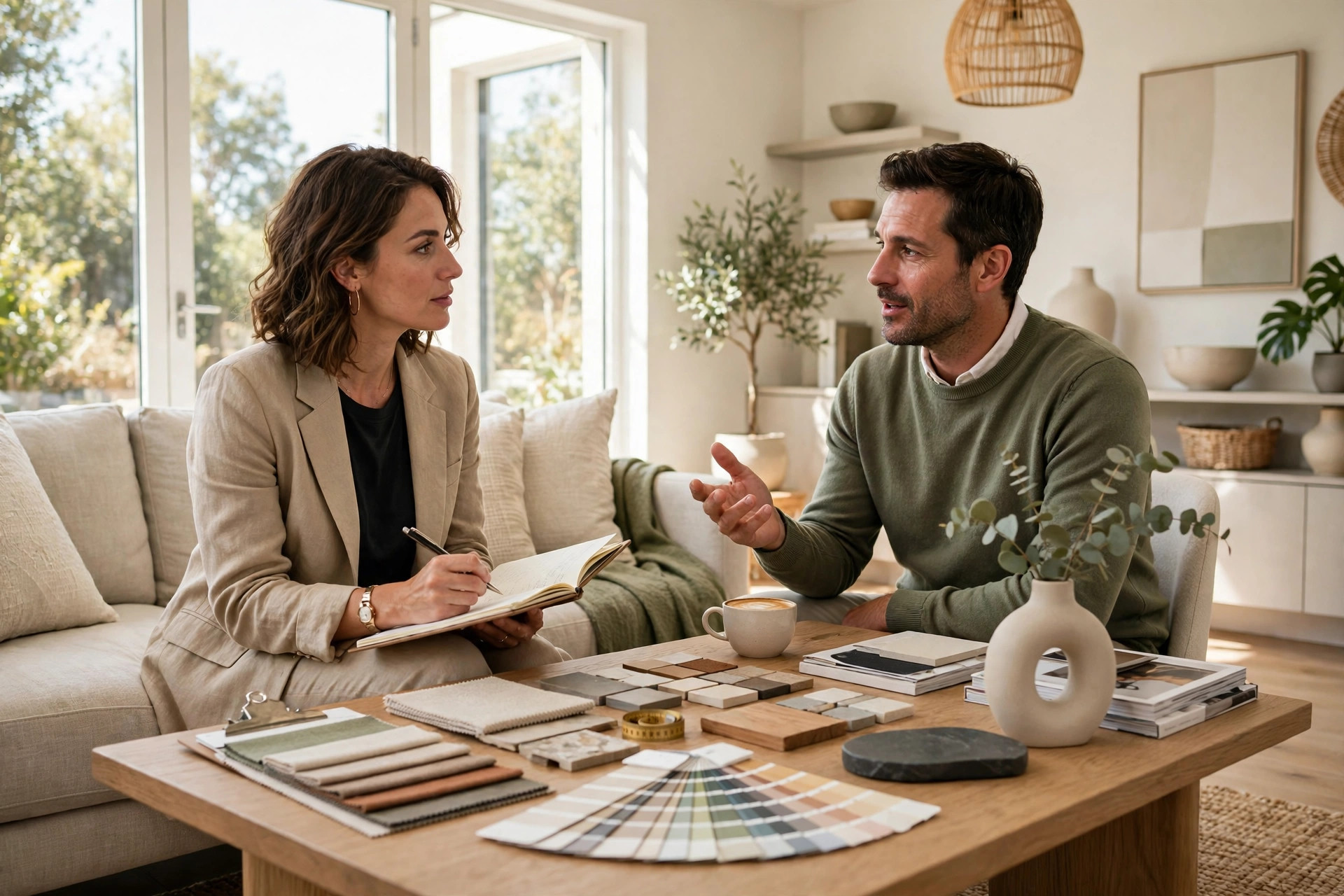
Designers do not all charge the same way. Most of them use one of four common methods. Knowing these methods helps you compare quotes and pick the one that fits your project.
Hourly rates mean you pay for the time the designer spends on your project. This is common for small jobs or advice sessions. Flat fees give you one fixed price for a defined scope of work, such as designing a single bedroom. Percentage of project cost is often used for large renovations, where the designer takes a share of the total amount you spend. Finally, some designers offer per-room packages with a set price for each room type.
Many designers also charge a separate fee for the first consultation. Some of them apply this fee toward your project if you hire them. Always ask how the designer charges before you agree to anything. A clear fee structure protects both you and the designer.
It also helps to ask what is included. Does the fee cover shopping for furniture? Site visits? Talking to contractors? Some designers charge extra for these tasks. Get the full list in writing so there are no surprises later.
Hourly Rates: Good for Small Projects
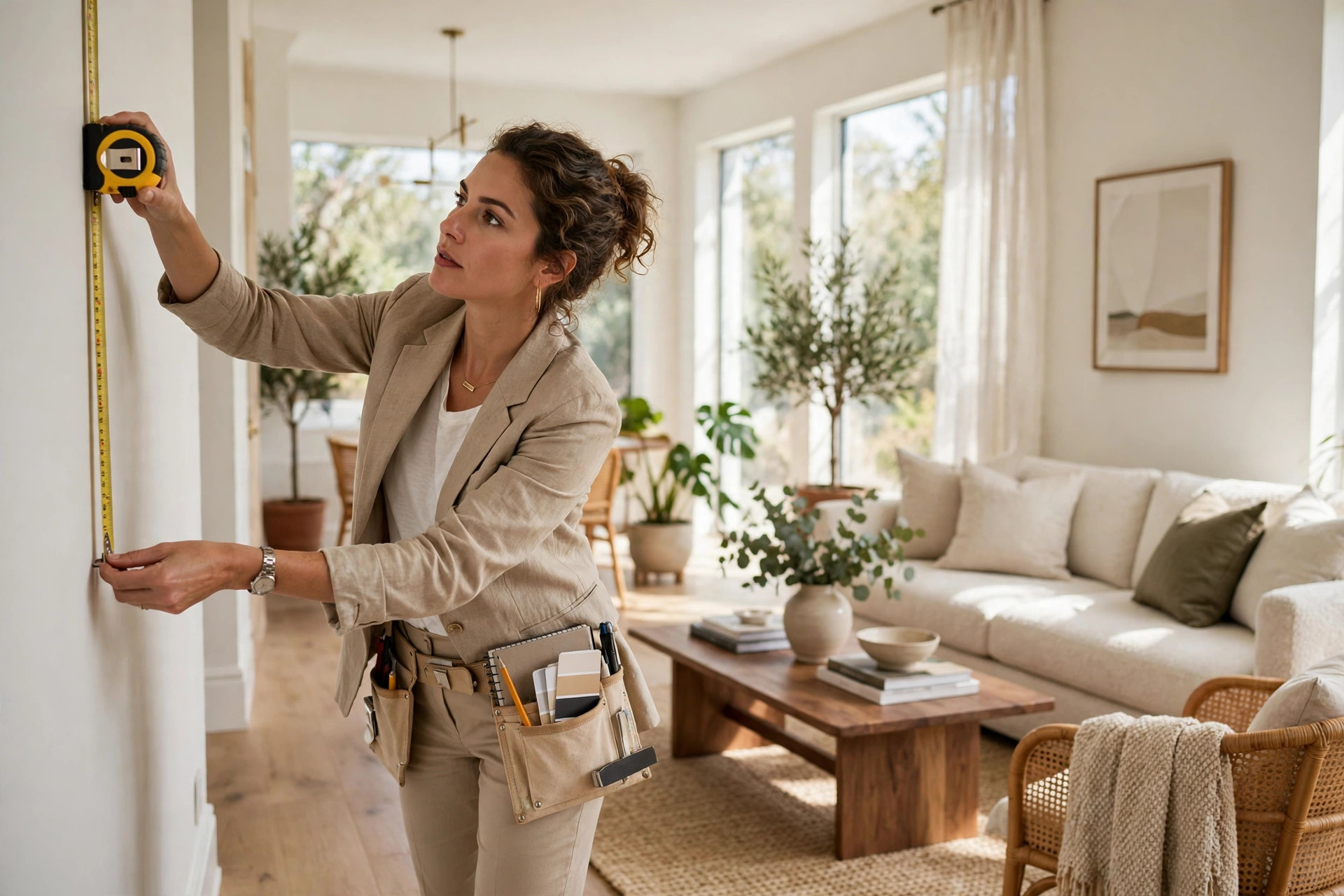
Hourly billing is one of the most flexible ways to work with a designer. You pay only for the time you use. This can be a smart choice if you need help with a small task, like picking paint colors, arranging furniture, or getting a second opinion on your own plan.
Hourly rates vary a lot. A newer designer in a small town will usually charge less per hour than a well-known designer in a big city. Designers with special training or awards often sit at the higher end. The price can also change based on how complex your project is.
One thing to watch with hourly work is the total time. A job that sounds quick can grow if you keep adding questions or changes. To stay in control, set a clear goal before the first meeting. Tell the designer exactly what you want help with and agree on a maximum number of hours for the start.
Also ask how the designer counts time. Does a quick phone call count? What about travel to stores? These details matter. A short email can turn into billable time with some designers, so it is better to know the rules upfront.
Flat Fees and Per-Room Packages

A flat fee means you agree on one price for the whole job. This can feel safe because you know the total from the start. Flat fees are common for well-defined projects, like designing a living room or creating a color plan for your home.
Per-room packages work in a similar way. The designer offers a set price for each room, and you choose which rooms you want help with. This is popular with people who want to update their home one room at a time. You can start with the room that bothers you most and add more rooms later when your budget allows.
The key with flat pricing is the scope. Make sure the agreement lists exactly what you get: a floor plan, a shopping list, a set number of revisions, and so on. If you later ask for extra rooms or extra revisions, the designer will usually charge more. That is fair, but it should be agreed in advance, not discovered in a surprise bill.
Flat fees also reward you for being prepared. The more clearly you can describe your style and needs at the start, the smoother the project goes. Collect photos of rooms you like and make a short list of must-haves. This saves the designer time and saves you money.
Percentage of the Project Cost
For big renovations, many designers charge a percentage of the total project cost. This means their fee grows with the size of the project. If you are redoing a kitchen or a full home, this model is very common.
The idea behind it is simple. A bigger project takes more time, more planning, and more coordination. The percentage model reflects that. It also gives the designer a reason to manage your budget well, since their fee is tied to the total spend.
One thing to understand is how markups work. Some designers buy furniture and materials at trade prices and then add a markup when they sell them to you. This is a normal part of the business, but you should know about it. Ask whether the designer earns a markup on purchases or only charges the agreed fee. Honest designers will explain this clearly.
With percentage pricing, always agree on how the total cost is calculated. Does it include labor? Appliances? Decor? Get this in writing before work starts. Clear numbers at the beginning prevent arguments at the end.
Consultation Fees and What They Cover

Many designers offer a first consultation as a separate service. This is usually a one-time meeting at your home or online. You walk through the space together, talk about your goals, and the designer shares first ideas and advice.
A consultation is a great low-risk way to test the waters. You get expert eyes on your space without committing to a full project. Many people find that one good consultation gives them enough direction to continue on their own.
Some designers offer free first calls, but most charge for in-person visits. The good news is that many designers will credit the consultation fee toward your project if you hire them within a certain time. Always ask about this. It can make the first meeting feel like a smart investment rather than a sunk cost.
To get the most from a consultation, prepare ahead. Take clear photos of your rooms, measure the main walls, and write down your budget range. The more information you bring, the more useful advice you will take home.
What Makes the Price Go Up or Down

Not every project costs the same, even with the same designer. Several factors push the price up or down. Understanding them helps you make smart choices about where to spend and where to save.
Experience matters. A designer with many years of work and a strong portfolio will usually charge more than someone just starting out. You are paying for their eye, their contacts, and the mistakes they have already learned to avoid.
Location matters too. Designers in large cities often charge more because their own costs are higher. If you live in a smaller town, you may find lower rates for the same quality of work.
Project size and scope play a big role. One room costs less than a full home. A simple refresh with paint and decor costs less than a renovation that moves walls or plumbing. The more decisions and details involved, the more the designer has to manage.
Materials and finishes can change the budget fast. Custom furniture, natural stone, and handmade tiles cost more than ready-made pieces. Your designer can show you where a cheaper material looks just as good, so ask for these swaps.
Timeline is another factor. If you need everything done in a rush, expect to pay more. Rush orders, express shipping, and overtime work all add up. Giving your designer enough time is one of the easiest ways to save.
E-Design: A Cheaper Online Option

If full-service design feels too expensive, e-design might be the answer. E-design is interior design done online. You share photos, measurements, and your style preferences. The designer then sends you a complete plan: a layout, a color palette, and a shopping list with links.
E-design usually costs less than traditional design because the designer never visits your home. There are no site visits, no contractor meetings, and no in-person shopping trips. You do the buying and the setup yourself, following the plan.
This option works best if you are comfortable with a bit of DIY. You need to measure your rooms, order the items, and put everything in place. The designer gives you the vision; you bring it to life. Many people enjoy this mix of expert guidance and hands-on work.
When you shop for e-design, check what the package includes. Some packages offer one revision, others offer more. Some include 3D views of your room, which can be very helpful. Pick the package that matches how much hand-holding you need.
Try AI Design Apps Before You Hire Anyone

Here is a budget-friendly idea many people skip: test your ideas with an AI design app first. You upload a photo of your room, pick a style, and the app shows you a new design in seconds. It costs little or nothing to try.
This can save you real money in two ways. First, you may discover that you love a style you can create yourself with paint and a few new pieces. Second, if you do hire a designer, you arrive with clear visual ideas. That means fewer paid hours spent exploring directions you do not like.
If you want to explore this option, take a look at the best AI interior design apps that can redesign your room from a single photo. They are a fun, low-cost way to experiment before you commit to a designer or a big purchase.
Think of AI apps as a first draft, not a final answer. They are great for ideas and inspiration. A human designer still brings experience, problem-solving, and access to trade resources that an app cannot match. Used together, apps and designers can be a powerful and affordable combination.
What You Actually Get for the Money

It is easy to focus on the fee and forget the value. A good designer gives you much more than pretty ideas. Here is what your money usually buys.
A clear plan. You get a layout that fits your space, a color palette that works together, and a shopping list that matches your budget. No more guessing at the store or returning items that do not fit.
Fewer expensive mistakes. Ordering the wrong sofa size or the wrong paint undertone can cost a lot to fix. Designers avoid these mistakes because they have seen them before. This alone can cover a large part of their fee.
Access to trade resources. Many designers can buy from trade-only stores and workrooms. This can mean better quality, custom options, and sometimes better prices than what you find in regular shops.
Time saved. Researching products, comparing options, and coordinating deliveries takes hours. A designer handles this for you. If your own time is valuable, this benefit is easy to feel.
A home that feels right. This is the hardest benefit to measure but often the most loved. A designer helps your home reflect you, not a showroom. That feeling of walking into a room that finally works is worth a lot to many homeowners.
Smart Ways to Spend Less on a Designer

You do not need a huge budget to work with a designer. With a few smart moves, you can get professional help at a price that feels comfortable.
Do the prep work yourself. Measure your rooms, take clear photos, and collect inspiration images before the first meeting. Every hour the designer does not spend on basics is an hour you do not pay for.
Keep the layout. Moving walls, plumbing, and electrical lines is where costs explode. If you keep the existing layout and focus on surfaces, furniture, and decor, your project stays much more affordable.
Start with paint. Paint is one of the cheapest ways to transform a room, and choosing the right color makes everything else easier. For ideas, browse the paint color trends for 2026 and pick a shade that fits your style. A fresh coat of paint plus new curtains can make a room feel brand new.
Buy in stages. You do not have to finish every room at once. Ask the designer for a full plan, then buy and install it in phases. Start with the pieces that matter most and add the rest over time.
Ask for a shopping list only. Some designers offer a limited service: they create the plan and the shopping list, and you handle everything else. This is often much cheaper than full-service design and works well if you enjoy DIY.
Be honest about your budget. Tell the designer your real number from the start. A good designer will respect it and find creative ways to stretch it. Hiding your budget usually leads to plans you cannot afford, which wastes everyone’s time.
Red Flags and Mistakes to Avoid

Most designers are honest professionals, but a few warning signs should make you pause. Watch out for these red flags before you sign anything.
No written agreement. A professional designer always puts the scope, fees, and timeline in writing. If someone wants to work on a handshake only, walk away. A contract protects you both.
Vague about fees. If the designer cannot clearly explain how they charge or what is included, that is a problem. You should understand the full cost before work begins, not after the first bill arrives.
Pressure to buy fast. Be careful if a designer pushes you to order expensive items right away or only from their favorite stores. Good designers give you options and time to decide.
No references or portfolio. Always look at past work and, if possible, talk to a former client. A designer who cannot show you real finished projects is a gamble.
Choosing on price alone. The cheapest quote is not always the best deal. A very low fee can mean little experience, rushed work, or hidden extra charges later. Compare what is included, not just the bottom line.
Frequently Asked Questions
Do I need an interior designer or a decorator?
An interior designer usually handles layout, space planning, and larger projects, sometimes working with contractors. A decorator focuses more on finishes, furniture, and styling. For a full renovation, a designer is often the better fit. For a simple refresh, a decorator may be enough and can cost less.
Can I hire a designer for just one room?
Yes, absolutely. Many designers offer single-room services or per-room packages. This is a great way to try working with a designer without committing to a whole home. Start with the room you use most, like the living room or bedroom.
Do designers charge for the first meeting?
It depends on the designer. Some offer a short introductory call for free. Most charge for an in-person consultation at your home. Many will credit that fee toward your project if you hire them, so always ask about this before you book.
How long does a typical design project take?
Small projects like one room can take a few weeks. Larger renovations can take several months. The timeline depends on the scope, how fast you make decisions, and how busy contractors and suppliers are. Ask for a realistic timeline at the start.
Can a designer work with a small budget?
Yes, if you are upfront about it. Tell the designer your budget in the first meeting. They can suggest where to spend and where to save, recommend affordable alternatives, and plan the project in phases. E-design and consultation-only services are also good options for tight budgets.
Is hiring an interior designer worth it?
For many people, yes. A designer can save you from costly mistakes, save you time, and help you get a result you truly love. The key is choosing the right service level for your needs. Even a single consultation or an e-design package can be worth it if it gives you a clear, confident plan.
Final Thoughts: Plan Smart and Love Your Home
The interior designer cost in 2026 does not have to be a mystery. Now you know the main fee types, what drives prices up or down, and the cheaper paths like e-design and AI apps. The most important step is simply to start with a clear budget and an honest conversation.
Remember, you are in control. You can hire a designer for one hour of advice, one room, or a full home. You can do the prep work yourself, buy in stages, and refresh with affordable changes like paint. Every smart choice keeps more money in your pocket without giving up the beautiful result.
Ready to take the next step? Measure your rooms, save photos of styles you love, and book a consultation with a designer whose work you admire. Your dream home is closer than you think.
Found this guide helpful? Share it with a friend who is planning a makeover, and explore more simple design guides here on Designizo to keep the ideas coming.


