
Duvet Cover Styling Ideas: An Easy Bedroom Refresh
Your bed is the biggest piece of furniture in your bedroom. It takes up the most space, and it is the first thing your eyes land on when you walk in. That means one simple change can transform the whole room. A new duvet cover is that change. It costs far less than new furniture, it takes five minutes to put on, and it can make your bedroom feel brand new.
Duvet cover ideas are some of the easiest bedroom refresh ideas you will ever try. You do not need to paint a wall, buy a new bed frame, or hire a designer. You only need the right cover, a few soft layers, and a little know-how. In this guide, you will learn how to pick colors and patterns, how to layer like a designer, and how to make your bed look neat and inviting every single day.
Whether your style is calm and simple, bold and bright, or soft and cozy, there is a duvet cover idea here for you. Read on, pick one idea that speaks to you, and try it this weekend. Your bedroom will thank you.
Start With the Right Color
Color is the first thing to decide when you style a duvet cover. The color you choose sets the mood of the whole room. Soft white, warm cream, and pale gray make a bedroom feel calm, clean, and airy. These light colors also make a small room look bigger, because they reflect light instead of soaking it up.
If you want a cozy and restful feel, try gentle earth tones. Sage green, warm beige, dusty blue, and soft terracotta all feel natural and soothing. They pair well with wood furniture and woven baskets, and they look beautiful in morning light. A sage green duvet cover with cream pillows, for example, gives the bed a fresh, garden-like feel without any effort.
Dark colors can work too, but they need balance. A deep navy, charcoal, or forest green duvet cover looks rich and dramatic. To keep the room from feeling heavy, pair a dark cover with light sheets, a pale throw, and bright pillows. The contrast keeps the bed looking crisp instead of flat.
One smart trick is to keep a few duvet covers in different colors and swap them with the seasons. A light linen-white cover feels right in summer. A warm rust or deep green cover feels right in fall and winter. This way, your bedroom gets a fresh look four times a year for the price of a few covers.

Play With Patterns
A patterned duvet cover is the fastest way to add personality to your bed. Stripes feel fresh and classic. Small floral prints feel soft and romantic. Simple geometric shapes feel modern and clean. The key is to pick a pattern you truly love, because you will see it every morning and every night.
If your bedroom is mostly plain, a bold pattern can be the star of the room. Let the duvet cover do the talking and keep everything else simple. Choose solid-color pillows in one or two shades pulled from the pattern. This keeps the look pulled together instead of busy.
If you already have patterned curtains or a busy rug, choose a quieter duvet cover. A soft ticking stripe or a faint grid pattern adds interest without fighting with the rest of the room. When two patterns meet, they should feel like friends, not rivals.
Mixing patterns is possible, and it can look wonderful when you follow one rule: keep the colors in the same family. A floral duvet cover can sit happily next to a striped pillow if both share the same blue or the same green. The shared color ties the mix together and makes it feel planned.

Layer Like a Designer
Layering is the secret behind every bed that looks like it came from a magazine. A duvet cover alone is fine, but layers add depth, warmth, and that soft, lived-in look. Start with your fitted sheet and flat sheet. Then add the duvet cover. Then fold a light throw blanket across the foot of the bed.
The fold matters. Instead of pulling the duvet cover all the way up to the pillows, fold the top third back over itself. This shows off your sheet or a second layer underneath, and it creates a neat band of color at the top of the bed. It takes ten seconds, and it makes the bed look styled rather than just made.
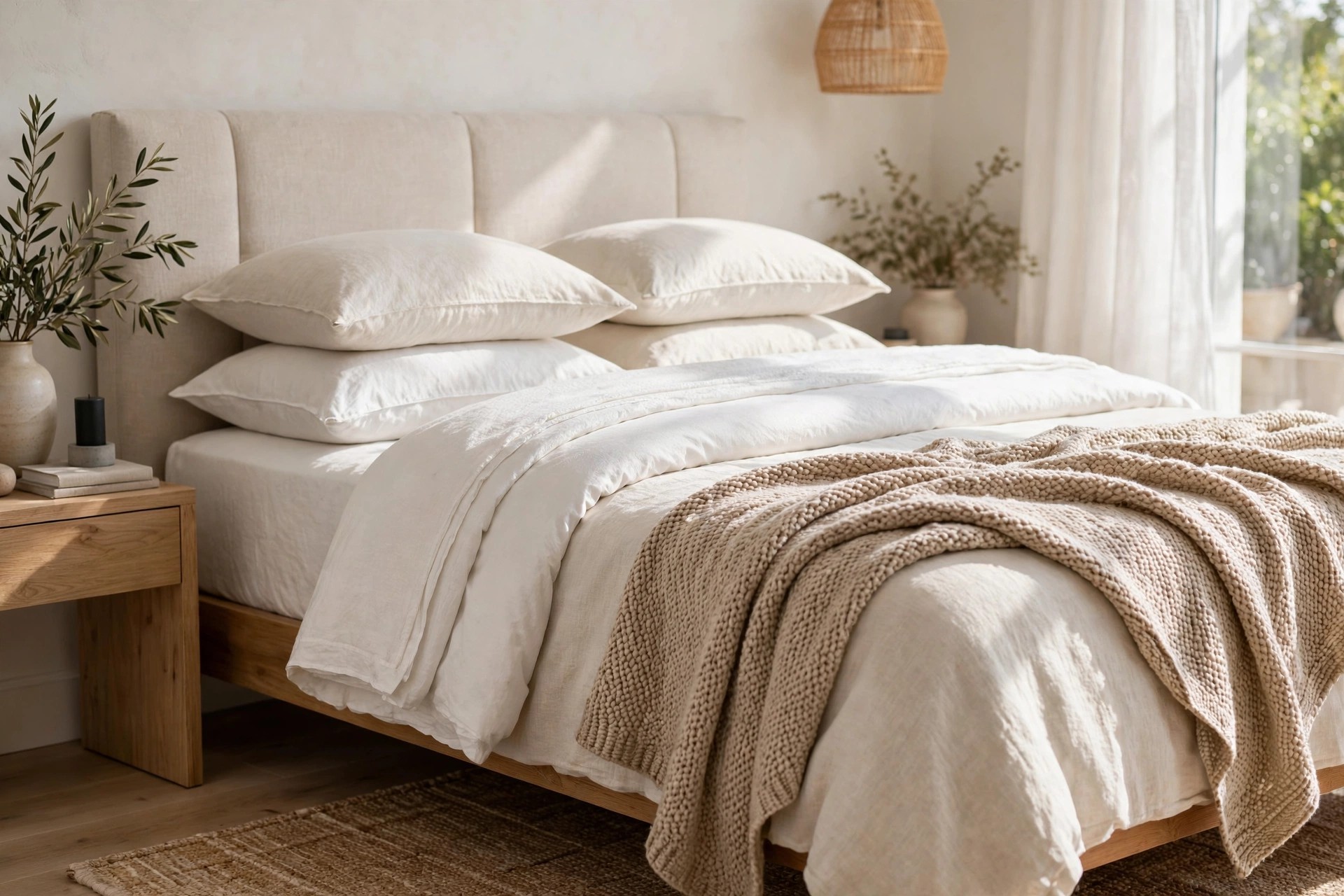
Add a throw blanket at the foot of the bed for a finished look. A chunky knit throw in winter or a light cotton throw in summer adds texture and color. Drape it loosely across the bottom third of the bed, or fold it into a neat rectangle. Either way works. The loose drape feels relaxed, while the neat fold feels tidy and hotel-like.
Do not forget the pillows. Two sleeping pillows at the back, two standard pillows in front of them, and one or two small cushions at the very front create a full, inviting look. Stand the pillows up straight and give them a gentle karate chop in the middle for that soft, plump shape you see in photos.
Mix Textures for a Cozy Feel
Texture is what makes a bed feel cozy instead of flat. A smooth cotton duvet cover next to a nubby knit throw and a soft velvet cushion gives your hands and eyes something to enjoy. You do not need many textures. Two or three are enough.
Linen duvet covers are a favorite for a relaxed, natural look. Linen has a soft, slightly wrinkled texture that looks effortless and lived in. It breathes well in warm weather, so it is a great choice for summer. Pair a linen cover with cotton sheets and a light wool throw for a bed that feels both airy and warm.
For cold months, try a brushed cotton or flannel duvet cover. The soft, fuzzy surface feels warm the moment you slip under it. Add a faux fur throw or a thick knit blanket at the foot of the bed, and your bedroom becomes the coziest spot in the house.
Satin and silk-look covers bring a smooth, elegant shine. They feel cool and luxurious, and they look beautiful in a calm, simple bedroom. If you choose a shiny cover, balance it with matte textures like linen pillows or a cotton throw, so the bed does not look too slick.
If you love natural materials, take a look at our guide to rattan basket decor ideas for ways to bring the same warm, natural texture to the rest of your bedroom. A basket at the foot of the bed holds extra throws and keeps the room tidy.

The Fold and Tuck: Small Tricks, Big Difference
How you fold and tuck your duvet cover changes the whole look of the bed. A few small tricks take the bed from messy to magazine-ready in under a minute.
First, shake the duvet inside the cover before you put it on the bed. Hold two corners, give it a good shake, and let it fall flat. This spreads the filling evenly, so you do not get lumps on one side and thin spots on the other. A smooth, even duvet looks fuller and more comfortable.
Next, try the hotel fold. Pull the duvet cover up to the pillows, then fold the top edge down about twelve inches. Smooth it flat with your hands. This simple fold creates a clean line at the top of the bed and shows off the pillows behind it.
For a relaxed look, leave the sides of the duvet cover loose and let them drape over the edge of the mattress. This soft, undone style works well with linen and cotton covers. For a crisp look, tuck the sides under the mattress. The tucked look suits a neat, modern bedroom and keeps the bed looking sharp all day.
One more trick: flip the duvet cover inside out before you put it on, reach inside to grab the far corners of the duvet, and then roll it down over the filling like a burrito. Unroll it and give it a shake. This old trick makes putting on a duvet cover fast and frustration-free, even for one person.

Seasonal Duvet Cover Looks
Changing your duvet cover with the seasons is one of the simplest ways to keep your bedroom feeling fresh all year. Each season has its own colors and textures, and your bed can reflect them.
In spring, choose light and fresh colors. Pale blue, soft blush, mint green, and crisp white all feel like a new beginning. A light floral or small botanical print adds a touch of the garden indoors. Pair the cover with a light cotton throw and open the windows to let in fresh air.
In summer, keep it cool and breezy. White or pale linen duvet covers are perfect for hot nights. They reflect heat and look bright in strong sunlight. Skip heavy throws and use a single light blanket at the foot of the bed, just in case the night turns cool.
In fall, bring in warm and rich tones. Rust, mustard, deep green, and warm brown make the bedroom feel like a cozy retreat. Add a chunky knit throw and a couple of plaid or velvet cushions. The bed starts to feel like the best place to be on a chilly evening.
In winter, go for warmth and softness. A flannel duvet cover in a deep color, layered with a thick throw and extra pillows, turns the bed into a warm nest. For more cold-weather bedroom ideas, read our cozy winter bedroom ideas and build a bedroom you never want to leave.

Styling a Duvet Cover in a Small Bedroom
A small bedroom can still have a beautifully styled bed. In fact, the bed matters even more in a small room, because it fills most of the space. The right duvet cover can make the room feel bigger and calmer.
Light colors are your best friend in a small bedroom. A white, cream, or pale gray duvet cover reflects light and makes the bed feel less heavy. Avoid very dark covers in a tiny room, because they can make the bed feel like a big dark block.
Keep the pattern small and simple. Tiny stripes, small dots, or a faint texture add interest without overwhelming the room. Large, bold prints can work, but they need space around them to breathe. In a small room, a quiet pattern is usually the safer choice.
Skip the extra layers that eat up space. One duvet cover, one folded throw, and two or three pillows are enough. Keep the sides of the cover neatly tucked or draped close to the bed so the bed does not spill into the walkway. A tidy bed makes the whole room feel larger.
Match the duvet cover to your wall color or your curtains for a smooth, seamless look. When the bed blends softly with the room, the eye moves across the space without stopping. That smooth flow makes the room feel open and calm.

Guest Bedroom and Spare Room Ideas
A guest bedroom should feel welcoming, clean, and a little bit special. Your guests may only stay one night, but a well-styled bed tells them you care. The duvet cover is the easiest place to start.
Choose a fresh, neutral duvet cover for the guest room. White, soft gray, or pale blue all feel clean and hotel-like. Guests feel comfortable in a bed that looks fresh, and a light color shows that the bedding is clean.
Add one pretty layer for warmth. A folded throw at the foot of the bed in a soft color invites guests to snuggle in. Two plump pillows per person, plus one decorative cushion, make the bed look complete without feeling fussy.
Keep a spare duvet cover in the closet so you can change the bed quickly between guests. A second cover in a different color gives you a fast refresh and means you always have a clean set ready. It also lets you switch the look of the room in minutes when the seasons change.
Finish with small touches. A small vase of fresh flowers on the nightstand, a glass of water, and a folded towel on the bed make guests feel truly welcome. The duvet cover sets the tone, and these little extras complete it.

Matching Pillows and Throws
Pillows and throws are the finishing touches that pull a duvet cover look together. They are also the cheapest way to change the look of your bed without buying a new cover.
Start with your pillow colors. Pick one or two colors from your duvet cover and use them for your pillow covers. If your cover is solid white, almost any pillow color works. Try sage green and cream for a calm look, or mustard and navy for a bold one. If your cover is patterned, pull the quietest color from the pattern for the pillows.
Mix pillow sizes and shapes for a styled look. Standard square pillows at the back, a long lumbar pillow in the middle, and a small round cushion in front create depth and interest. Do not use too many. Three to five pillows on a queen bed is plenty. More than that, and the bed starts to look cluttered.
Your throw blanket should match the mood of the room. A soft knit throw feels cozy and relaxed. A smooth cotton throw feels clean and fresh. A faux fur throw feels rich and warm. Drape the throw across the foot of the bed or fold it into a neat band. Either way, it adds a layer of color and texture that makes the bed look complete.
Change your pillows and throws with the seasons while keeping the same duvet cover. In summer, use light linen pillows. In winter, switch to velvet or knit covers. This small swap refreshes the whole bed for very little money.

Keep It Fresh: Washing and Care Tips
A beautiful duvet cover only stays beautiful if you care for it. Good care keeps the color bright, the fabric soft, and the bed fresh. The good news is that caring for a duvet cover is simple.
Wash your duvet cover every one to two weeks, just like your sheets. Use cold or warm water and a gentle cycle. Hot water can fade colors and shrink natural fabrics like cotton and linen, so keep the temperature mild. Use a mild detergent and skip the fabric softener, which can coat the fibers and make the fabric feel less breathable over time.
Dry the cover on low heat or hang it to dry in fresh air. Sunlight is a natural freshener, but too much direct sun can fade strong colors. If you use a dryer, take the cover out while it is still slightly damp and put it straight on the bed. This keeps wrinkles soft and natural instead of stiff.
Store spare duvet covers in a dry, clean place. Fold them neatly and keep them in a cotton bag or on a shelf, not in a plastic bag that traps moisture. A small sachet of dried lavender in the storage spot keeps the covers smelling fresh.
If your cover gets a stain, treat it right away with cold water and a little mild soap. Blot the stain gently instead of rubbing it, because rubbing can push the stain deeper into the fabric. Most everyday stains come out easily when you act fast.

Common Duvet Cover Mistakes to Avoid
Even a lovely duvet cover can look wrong if a few common mistakes creep in. The good news is that every one of these mistakes is easy to fix.
The first mistake is buying the wrong size. A duvet cover that is too small leaves the corners of the duvet poking out and the bed looking skimpy. A cover that is too big bunches up and looks sloppy. Check the size of your duvet insert before you buy, and match the cover to it exactly. When in doubt, size up by one and let the cover drape a little over the sides.
The second mistake is choosing a cover that fights with the room. A bright red cover in a soft blue room, or a busy floral in a room full of stripes, creates visual noise. Before you buy, hold the cover up against your wall color, your curtains, and your rug. If it feels calm next to them, it will feel calm on the bed.
The third mistake is skipping the shake. A duvet that is lumpy inside its cover looks tired, no matter how pretty the fabric is. Shake the duvet well each morning, smooth it with your hands, and fluff the corners. It takes thirty seconds and changes everything.
The fourth mistake is using too many pillows and throws. A bed buried under cushions looks fussy and takes forever to make each morning. Keep it simple. A few well-chosen pieces look better than a pile of them, and your mornings will be easier too.
Finally, do not forget to wash the cover often. A fresh, clean cover looks and smells inviting. A cover that has not been washed in weeks looks dull, even if the color is beautiful. Fresh bedding is the simplest luxury, and it costs nothing but a little time.

Frequently Asked Questions About Duvet Cover Styling
What is the easiest way to style a duvet cover?
The easiest way is to fold the top of the duvet cover down about a third, add two or three pillows, and place a folded throw across the foot of the bed. This simple routine takes less than a minute and makes the bed look neat and styled every day.
Should the duvet cover match the sheets?
It does not have to match exactly. A white or cream sheet works with almost any duvet cover. If your cover is patterned, plain sheets in a color from the pattern look best. Matching too closely can look flat, while a soft contrast adds interest.
How many pillows should I use with a duvet cover?
For a queen bed, two sleeping pillows at the back, two standard pillows in front, and one or two small cushions is a good balance. For a twin bed, one sleeping pillow and one cushion is enough. Keep it simple so the bed is easy to make each morning.
Can I use a duvet cover without a top sheet?
Yes, many people skip the top sheet and sleep directly under the duvet cover. The cover washes easily, so it works like a sheet. If you like the feel of a top sheet, use a light one and fold it back over the duvet cover for a layered look.
What is the best duvet cover material for hot sleepers?
Light cotton and linen are the best choices for hot sleepers. Both fabrics breathe well and feel cool against the skin. Look for a light percale cotton or a washed linen cover, and skip heavy flannel or thick brushed fabrics in warm weather.
How often should I change my duvet cover?
Change it every one to two weeks, just like your sheets. If you have pets that sleep on the bed, or if you live in a hot climate, change it once a week. Keep a spare cover so you always have a clean one ready while the other is in the wash.
Can I mix patterns with a patterned duvet cover?
Yes, you can mix patterns if you keep the colors in the same family. Pair a floral duvet cover with a striped pillow in the same blue or green, for example. Keep one pattern large and the other small so they do not compete, and let solid colors break up the mix.
Conclusion
A duvet cover is a small change with a big reward. With the right color, a few soft layers, and a little care, your bed can look like it came from a magazine. You do not need a big budget or a full room makeover. You only need one cover you love and a few minutes to style it.
Start with one idea from this guide. Try a new color, fold back the top of the cover, or add a throw at the foot of the bed. Live with the change for a few days and see how it feels. A fresh bed makes the whole bedroom feel calmer, and a calmer bedroom helps you rest better.
When you are ready for more bedroom ideas, explore the bedroom guides on designizo.com. Your bedroom should feel like your favorite place in the house, and a beautifully styled duvet cover is a wonderful place to start.