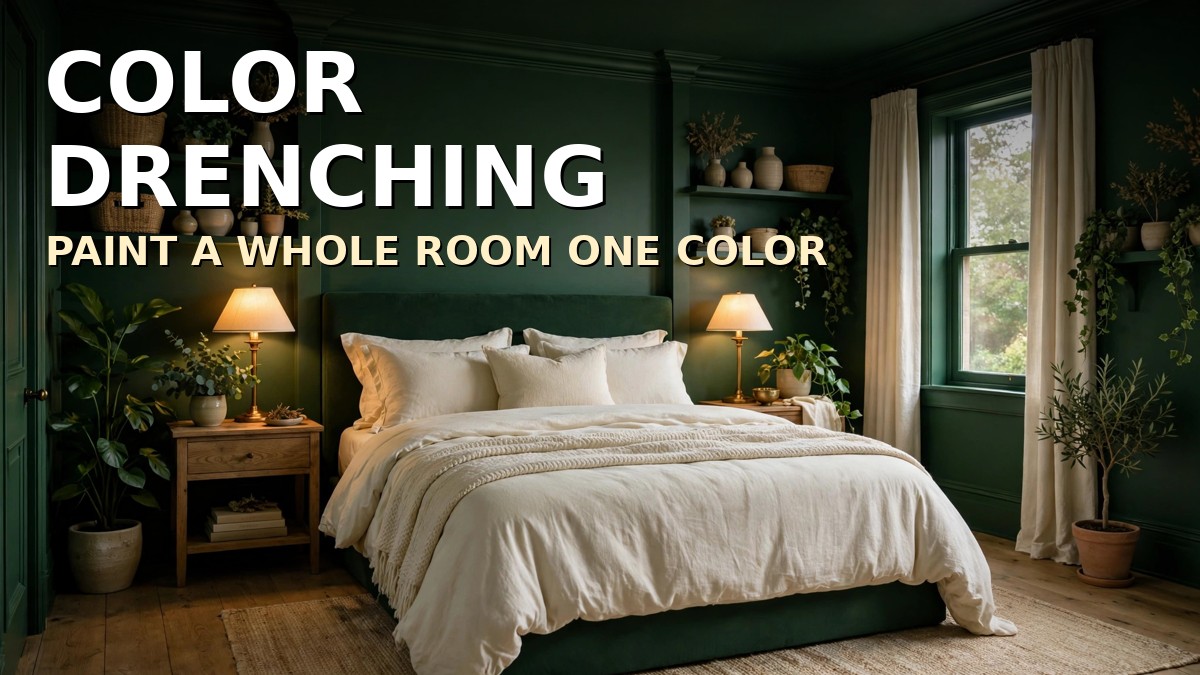
Have you ever walked into a room and felt calm right away? That warm, cozy feeling often comes from one simple paint trick: color drenching. The idea is easy. You paint the whole room in a single color. The walls, the trim, the doors, and even the ceiling all get the same shade. There is no white trim and no hard lines where one color stops and another one starts.
The result is a room that feels soft, warm, and pulled together. It can make a small room feel bigger and a plain room feel rich and stylish. Best of all, it is one of the cheapest ways to give a room a whole new look. You only need paint, a brush, and a free weekend.
In this guide, you will learn what color drenching is, why so many people are trying it in 2026, and the best colors to use. You will also get simple steps to do it yourself, room-by-room tips, and a list of mistakes to avoid. Let us get started.
What Is Color Drenching?
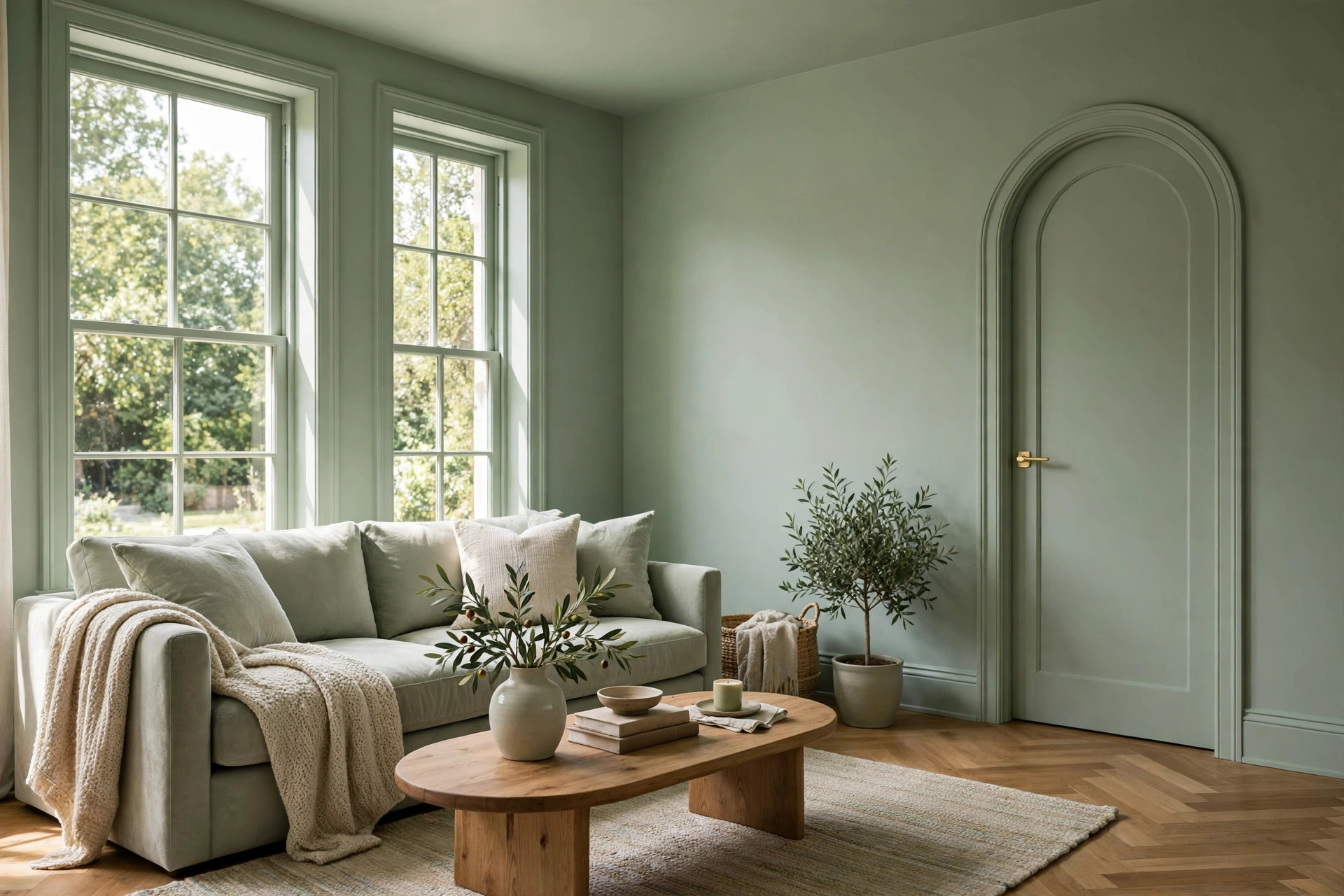
Color drenching means painting every surface in a room the same color. That includes the walls, the baseboards, the trim around doors and windows, the doors themselves, and the ceiling. Many people also paint built-in shelves, bookcases, and even the fireplace surround so nothing breaks the color.
In a normal room, the trim is usually painted white or a light shade. That creates contrast. Your eye jumps from the wall color to the white edges, and you see every line and corner. With color drenching, those lines fade away. Your eye moves smoothly around the room, and the space feels calm and open.
The color itself becomes the star of the room. A soft, pale shade can feel light and airy. A deep, rich shade can feel cozy and dramatic, like a warm hug. There is no right or wrong choice. It all depends on the mood you want.
There is also a stronger version called double drenching. With that, you use two shades from the same color family, like a mid-tone on the walls and a deeper tone on the trim. But if this is your first time, start with one color. One color is simple, safe, and looks great.
Why Everyone Is Trying It in 2026
For years, most homes used cool grey walls and bright white trim. Now, people want their homes to feel warm and personal again. Color drenching fits that mood perfectly. Here is why this trend is growing so fast.
It feels cozy. One soft color on every wall wraps the room in warmth. There are no cold, sharp contrasts.
It makes small rooms feel bigger. When the walls, trim, and ceiling match, the edges of the room blur. The room looks wider and taller than it really is.
It is budget friendly. You buy one color of paint, not three or four. There is no need to hire a designer to match shades for you.
It looks high end. A room painted in one rich color looks like it came from a design magazine, even if the room is small and simple.
It hides flaws. Old trim, uneven walls, and odd corners blend in when everything is one color. Nothing sticks out.
It is easy to change. It is just paint. If you get tired of the color in a few years, you can paint over it in a weekend.
Paint brands see this trend too. The colors of the year for 2026 are warm, earthy, and calm, which are perfect for this look. Homeowners now use this idea in bedrooms, living rooms, bathrooms, and even kitchens and halls.
The Best Colors for Color Drenching
Picking the right color is the most important part of this project. Keep one thing in mind: a color looks stronger when it is on every wall. A shade that looks soft on a small swatch can feel deep and rich once it covers the whole room. Always test your color on a big patch of wall first, and look at it in the morning, at noon, and at night.

Warm Neutrals and Khaki

If you are nervous about this trend, start here. Warm neutrals are gentle, calm, and easy to live with. They work in almost every room and with almost every style of furniture. Khaki is a warm mix of tan and soft brown, and it feels much cozier than plain white or cold grey.
A great example is Universal Khaki by Sherwin-Williams, the brand’s 2026 Color of the Year. It is a warm, earthy neutral that looks good with wood floors, cream sofas, and natural fabrics like linen and cotton. Warm neutrals are a safe first step if you want the drenched look without a big, bold change.
Deep Green
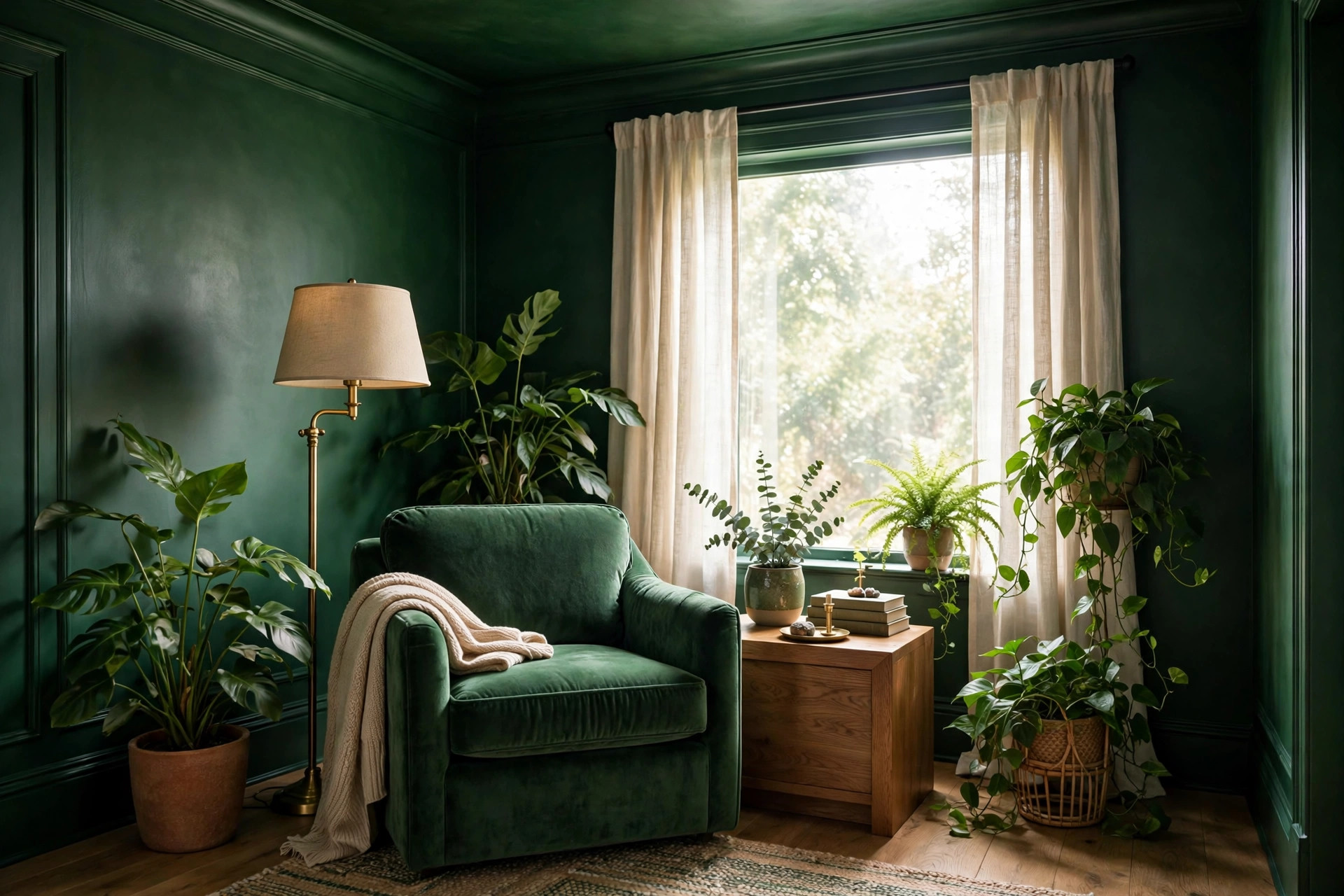
Deep green is one of the most loved colors for this trend. It brings the calm feel of nature indoors. A green room feels restful and rich at the same time, which makes it perfect for bedrooms, reading corners, and dining rooms.
Look at Hidden Gem by Behr, a smoky jade green and the Behr 2026 Color of the Year. It is deep but soft, so it does not feel too dark. Deep green pairs well with warm wood, brass or gold lamps, and cream bedding or curtains. Add a few plants, and the room feels alive.
Warm Brown and Mahogany
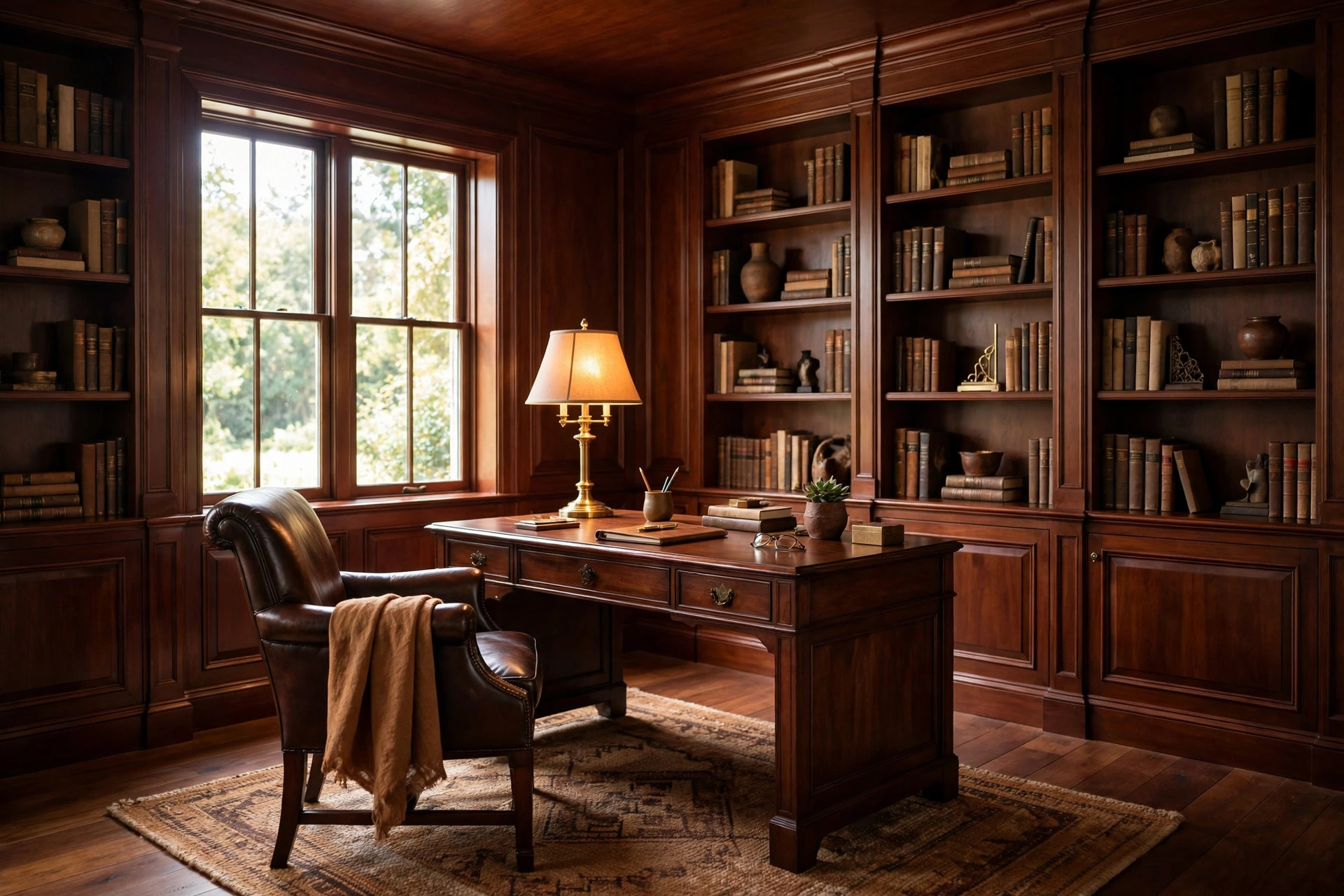
Brown is back, and it is warmer and richer than before. Warm brown and mahogany shades make a room feel elegant and snug, like a cozy library or a classic study. These colors shine in dining rooms, home offices, and living rooms with a fireplace.
Two good examples are Warm Mahogany by Glidden, its 2026 Color of the Year, and Silhouette by Benjamin Moore, a deep, rich brown with a soft hint of charcoal. Both feel classic and calm. Pair them with cream, tan, or soft gold accents so the room does not feel too heavy.
Soft Blue-Grey
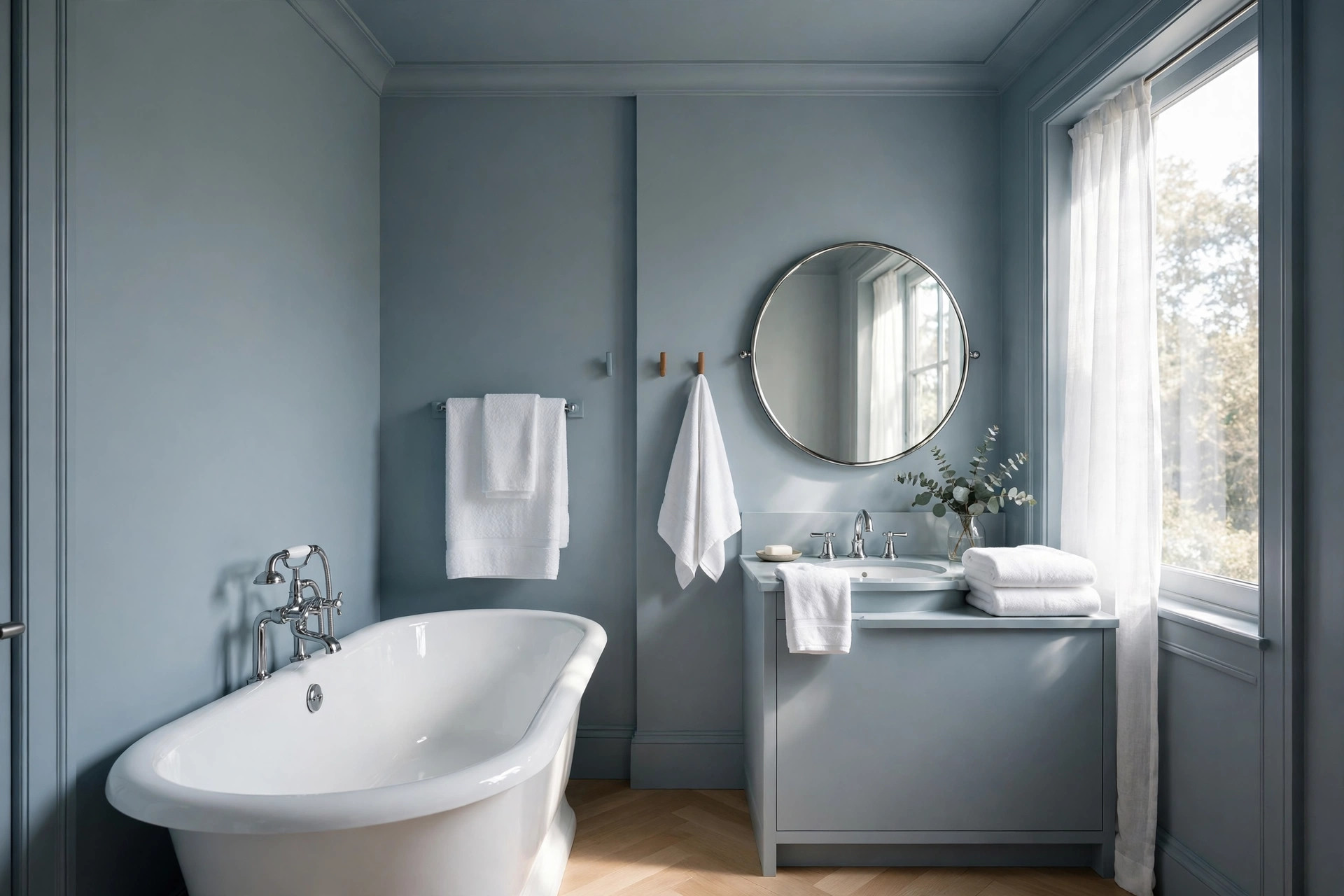
Soft blue-grey is the color to pick when you want a room to feel fresh and peaceful. It has the calm of blue with the soft touch of grey, so it is easy on the eyes. It is a top choice for bathrooms and bedrooms, where most people want a spa-like feel.
This color makes small rooms feel clean and open. It looks lovely with white towels, light wood, and silver or chrome taps and handles. If your room gets a lot of sun, blue-grey keeps it feeling cool. If the room is dark, pick a blue-grey with a bit more warmth so it does not feel cold.
Rich Burgundy
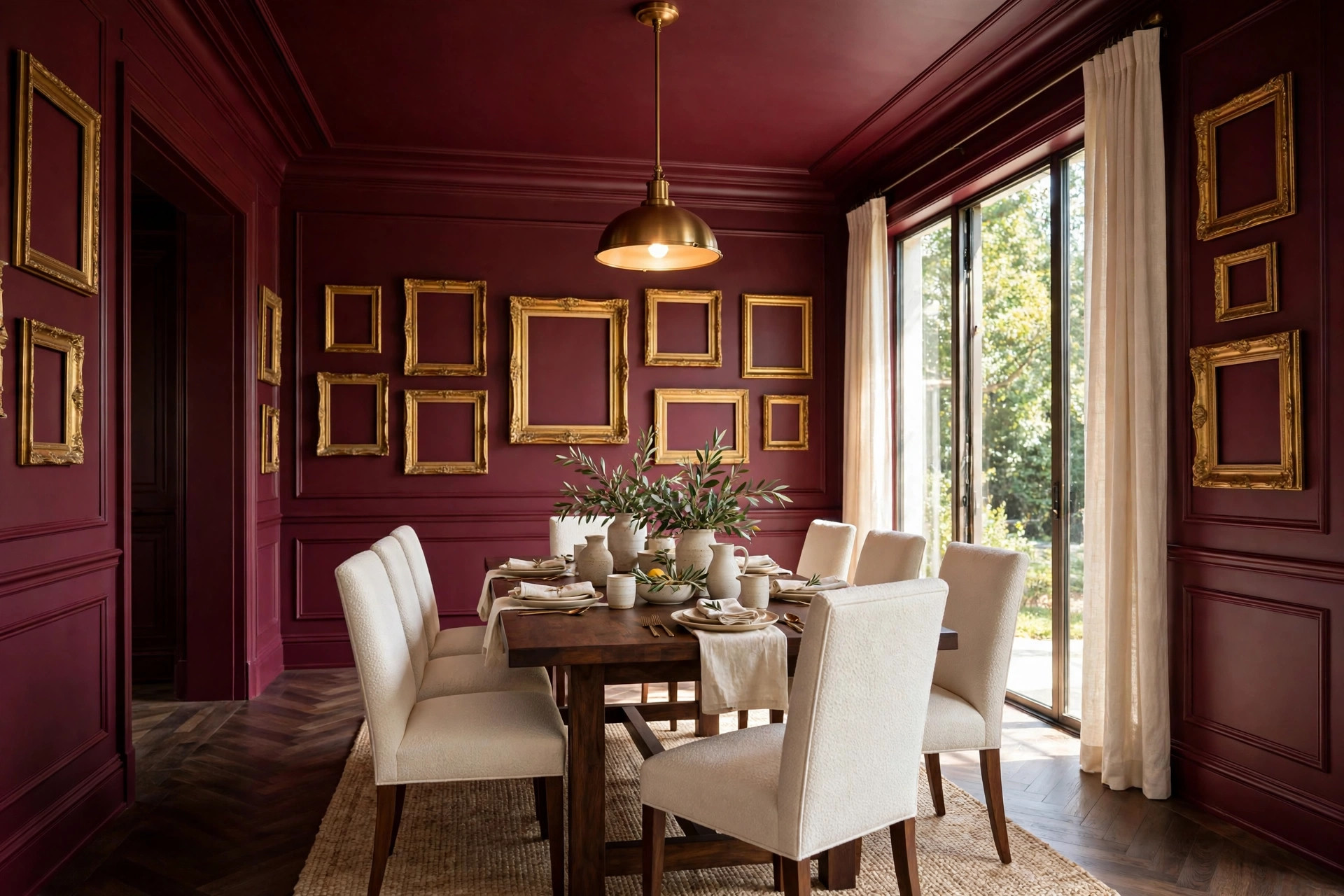
Burgundy is the boldest color on this list. It is a deep red with brown and purple tones, and it makes a room feel warm, rich, and a little dramatic. It is a great pick for dining rooms, entryways, and cozy corners where you want a strong mood.
Because burgundy is dark, use it in a room with good light, or plan warm lamps for the evening. It looks beautiful with cream trim-free walls, gold picture frames, dark wood, and soft tan fabrics. If a whole room feels like too much, start with a small space, like a powder room or a reading nook.
Room-by-Room Guide
Every room has its own needs. Here is how to make this trend work in the main rooms of your home.
Bedroom
The bedroom is one of the best places to try color drenching. Deep green, warm brown, or soft blue-grey can turn it into a calm cocoon for sleep. Paint the wall behind the bed, all the other walls, the trim, and the ceiling the same color. The room will feel quiet and safe.
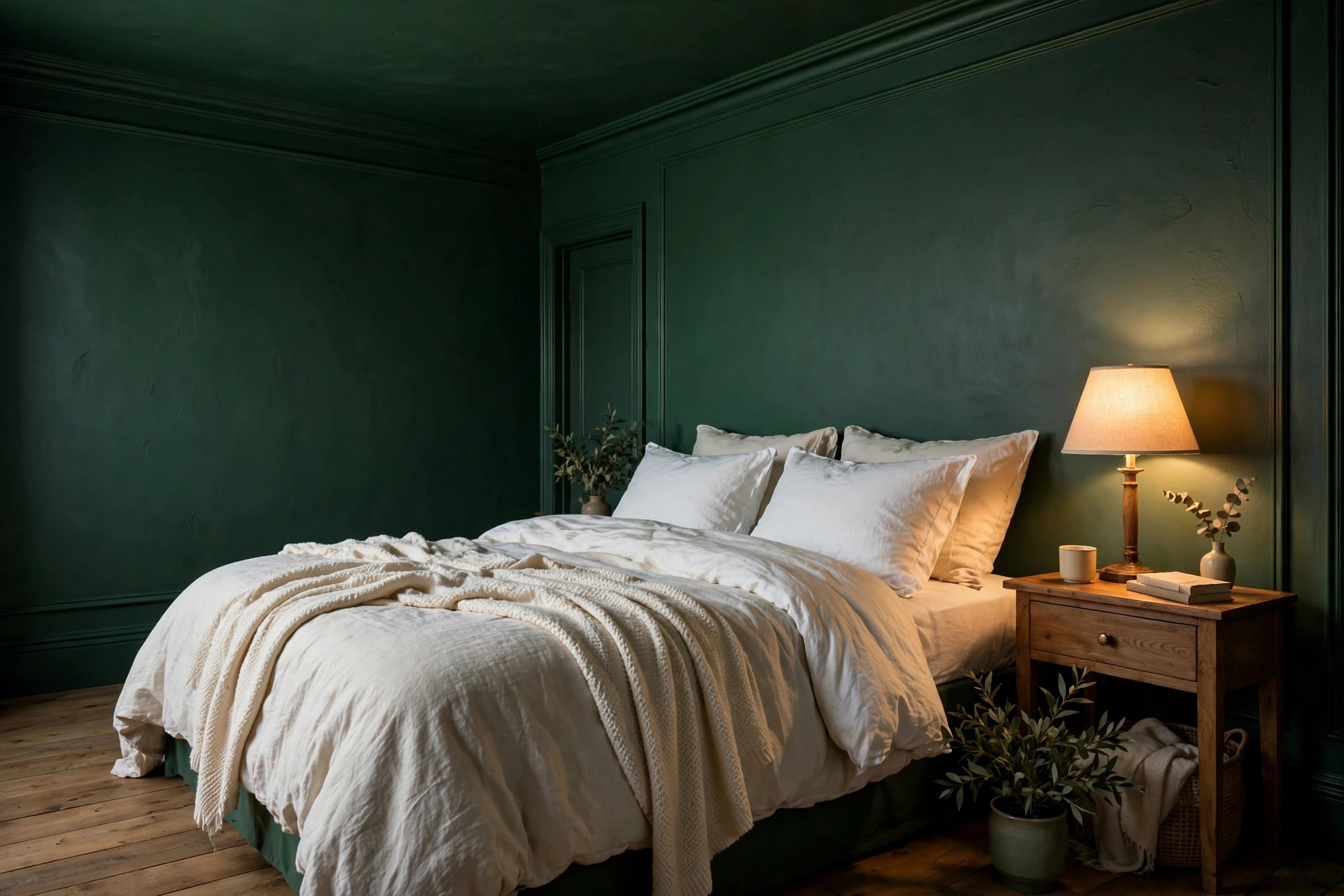
Keep your bedding light, in white, cream, or soft tan. The light bedding pops against the deep walls and keeps the room from feeling too dark. Add warm lamp light on both sides of the bed, and you have a room that helps you rest.
Living Room
In the living room, warm neutrals and khaki are a safe and stylish choice. They give you a calm base that works with almost any sofa or rug. If your living room has built-in shelves or a fireplace, paint them the same color too. The whole wall will look smooth and neat.
Let your furniture add the contrast. A cream sofa, a rust or tan cushion, and a leather chair all look great against one-color walls. If you want more ways to style the space, browse these living room design ideas for simple tips that pair well with a drenched room.
Bathroom
Small bathrooms are perfect for this trend. One color hides pipes, odd corners, and old tile edges, so the room looks clean and new. Soft blue-grey is a favorite here because it feels like a calm spa.

Pick a paint finish that can handle steam and water, like satin or semi-gloss. Keep towels and the shower curtain light, in white or cream. The soft color on the walls plus crisp white fabric is a fresh, clean mix.
Small Rooms

Many people think a small room must be painted white. That is a myth. White trim and colored walls chop a small room into pieces. One color on everything blurs the edges, so the room feels bigger, not smaller.
For a small room with little natural light, pick a light or mid-tone color, like khaki or a soft blue-grey. Paint closets, alcoves, and the inside of built-in shelves the same color too. When every corner matches, the room feels like one smooth, open space.
How to Color Drench a Room Step by Step

Ready to start? Follow these simple steps, and take your time. Good prep work is the secret to a clean finish.
- Pick your color and test it. Paint a big patch of color on two walls. Live with it for a day or two. Check it in bright sun, on a cloudy day, and under your lamps at night. If it feels too strong, go one shade softer.
- Buy enough paint. You will paint more than just the walls, so buy a bit extra for the ceiling, trim, and doors. Try to get all your paint from the same batch, so the color matches perfectly from can to can.
- Clean and prep the room. Move the furniture out or into the middle, and cover the floor. Wash the walls to remove dust and grease. Fill small holes, let them dry, and sand them smooth. Put tape along the floor edges.
- Choose your paint finish. Finish means how shiny the paint looks. Use matte or flat paint on the walls and ceiling, because it hides small flaws. Use satin or eggshell on trim and doors, because it is tougher and easy to wipe clean. In a bathroom or kitchen, satin or semi-gloss is best, since it stands up to steam and splashes.
- Paint the ceiling first. Always start at the top. If paint drips, it lands on walls you have not painted yet. Use a roller with an extension pole, and give the ceiling two coats if the color change is big.
- Paint the walls. Cut in around the edges with a brush first. Then roll the rest of the wall. Work in small sections, and keep a wet edge so you do not see lines. Most colors need two coats. Let the first coat dry fully before you start the second one.
- Paint the trim, baseboards, and doors. Use a good brush for a smooth finish. Paint doors with the panels first, then the flat parts. This step is slow, but it is the step that makes the room look truly drenched.
- Paint the extras. If the room has built-in shelves, a radiator, or a fireplace surround, paint them the same color too. Every matching surface makes the look stronger.
- Remove tape and touch up. Pull the tape off while the last coat is still a little wet, so the edge stays clean. Check the room in good light and touch up any thin spots.
- Add contrast with decor. Now bring back your furniture. Add light cushions, a soft throw, wood pieces, plants, and art. These touches stand out nicely against your one-color walls.
Common Mistakes to Avoid
This project is simple, but a few small mistakes can spoil the look. Watch out for these:
- Skipping the test patch. A color always looks deeper when it covers the whole room. Test first, and go one shade softer if you are not sure.
- Picking a color that is too bright. Very bright colors can feel loud on every wall. Soft, muted shades almost always look better for this trend.
- Leaving the ceiling white by habit. A white ceiling breaks the smooth look. Paint it the same color for the full effect.
- Using flat paint in a bathroom. Steam and flat paint do not mix. Use satin or semi-gloss where there is moisture.
- Not buying enough paint. Running out mid-room is a pain, and a new batch can look a tiny bit different. Buy extra in one trip.
- Skipping the prep work. Paint does not stick well to dirty or shiny walls. Wash, fill, and sand first, or the paint may peel later.
- Matching all the decor too. Do not make the sofa, curtains, and rug the exact same color as the walls. The room will feel flat. You need light and dark touches for balance.
- Rushing the second coat. Paint that is not dry yet will look streaky. Wait the full dry time on the can.
Frequently Asked Questions
Do I have to paint the ceiling the same color?
For the true drenched look, yes. The ceiling is part of the room, and painting it the same color gives you that cozy, wrapped feeling. You can keep a white ceiling if you like, but the result will look like a normal painted room, not a drenched one.
Will color drenching make my room look smaller?
No. In most rooms, it does the opposite. With no white trim breaking up the walls, the edges blur and the room feels wider and calmer. This is why the trend works so well in small rooms and small bathrooms.
What is the best paint finish for color drenching?
Use matte or flat paint on walls and ceilings to hide flaws. Use satin or eggshell on trim and doors, since those spots get touched and cleaned a lot. In bathrooms, choose satin or semi-gloss for the walls too, so the paint can handle steam.
How much paint do I need?
You need more than for walls alone, because the ceiling, trim, and doors also get painted. As a rough guide, one gallon of paint covers about 350 square feet with one coat. Measure your room, plan on two coats, and round up. Extra paint is also handy for touch-ups later.
Can I color drench a room in a rental home?
Ask your landlord first. If they say yes, pick a color that is easy to paint over when you move out. Light and mid-tone colors are the safest choice for rentals. Keep the paint name and code, so you can buy the same shade again if you need a touch-up.
What color should a beginner try first?
Start with a warm neutral like khaki or a soft blue-grey. These colors are gentle, forgiving, and easy to match with the furniture you already own. Save dark green and burgundy for your second room, once you feel brave.
Conclusion
Color drenching is proof that a big change does not need a big budget. With one color of paint on the walls, trim, doors, and ceiling, a plain room can feel warm, calm, and stylish. Warm khaki, deep green, rich brown, soft blue-grey, and burgundy are all great picks for 2026, and each one gives a room its own mood.
If this is your first time, start small. Try a bathroom, a bedroom, or a reading corner. Test your color, take your time with the steps, and enjoy the change. Once you see how cozy a drenched room feels, you may want to try it in every room of your home.
Ready for your next project? Take a look at our favorite kitchen design ideas to bring fresh style and color into the heart of your home. Happy painting!



2 thoughts on “Color Drenching: How to Paint a Whole Room One Color (and the Best Colors to Use)”