
Have you seen those big, soft sofas all over social media this year? The ones that look like a cloud you can sink into? That is a boneless couch — and it is one of the most searched pieces of furniture in the USA right now.
A boneless couch has no wood or metal frame. It is made only of soft, high-density foam with a fabric cover. There are no hard parts, no sharp corners, and nothing to build when it arrives at your home.
In this guide, we will look at the real pros and cons of a boneless couch, what it costs, and the best picks for different homes. By the end, you will know if this soft and cozy couch is right for your living room.
What Is a Boneless Couch?

A normal sofa has a hard frame made of wood or metal. Springs and cushions sit on top of that frame. A boneless couch is different. It has no frame at all.
The whole couch is made of foam — usually high-density foam or memory foam — covered with a soft fabric like corduroy, velvet, or linen. Because there is no hard frame inside, the couch is very soft and light. You can move it from room to room without help.
Most boneless couches come vacuum-packed in a box. When you open the box, the foam slowly grows to its full size. This takes about 24 to 72 hours. After that, your couch is ready to use. There is no assembly, no tools, and no screws.
Many boneless couches are also modular. This means the couch is made of separate pieces. You can join the pieces in a line, in an L shape, or split them into single seats. Some models even open flat and turn into a guest bed. You can read more about how these foam sofas are built if you want the full story.
Why Is the Boneless Couch So Popular in 2026?
Searches for the boneless couch have grown by more than 170% in the last year, and it is easy to see why.
- Comfort comes first. People now want a home that feels warm and relaxing, not formal and stiff.
- It fits small homes. Renters and apartment owners need furniture that is light and easy to move.
- It looks soft and cozy. The low, cloud-like shape matches the warm and calm styles that are trending this year.
- It costs much less. Designer “cloud” sofas can cost thousands of dollars. A boneless couch gives a similar feel for a few hundred dollars.
Pros of a Boneless Couch

1. Super Soft and Comfortable
The seats are deep and soft, so your whole body can relax. It is perfect for movie nights, reading, and long naps. Many people say it feels like sitting on a giant pillow.
2. No Hard Parts, Safe for Kids and Pets
There are no sharp wooden corners to bump into. Kids can jump, play, and fall on it safely. For families with small children, this is a big plus.
3. Light and Easy to Move
One person can move a boneless couch alone. It also comes squeezed in a small box, so it fits through narrow doors and small hallways where a normal sofa would never fit.
4. No Assembly Needed
Open the box, take off the plastic, and wait for the foam to expand. That is all. No tools, no screws, and no confusing instruction book.
5. Perfect for Small Rooms and Apartments
The low shape makes a small room look bigger. Modular pieces can also fit into corners and odd spaces that a normal sofa cannot use.

6. Change the Layout Any Time
Move the pieces into a straight line, an L shape, a big bed, or separate chairs. When guests come over, you can make more seats in minutes.
7. Costs Less Than a Normal Sofa
Most boneless couches cost between $250 and $900. A good framed sofa often costs $1,000 to $3,000. For a first home or a rental, the saving is huge.
Cons of a Boneless Couch
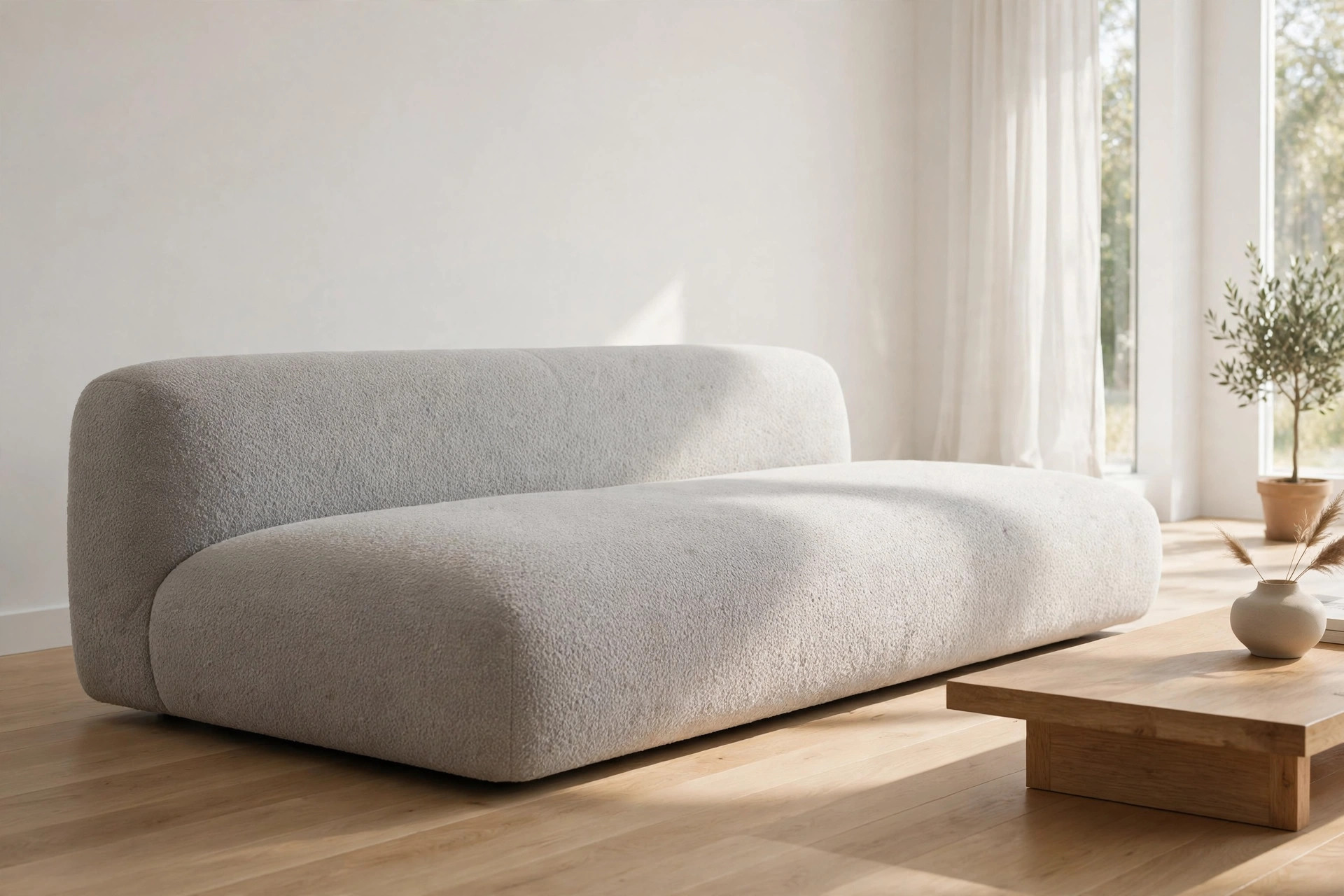
1. The Seat Is Low
A boneless couch sits close to the floor. Older people, or anyone with knee or back problems, may find it hard to stand up from such a low seat.
2. Less Back Support
The backrest is low and soft. It is great for lying back and relaxing, but it is not the best choice if you need firm, upright support for many hours.
3. Foam Can Flatten Over Time
Foam slowly loses its shape with heavy daily use. Cheap, low-density foam can start to sag in one to three years. Good high-density foam lasts much longer.
4. You Must Wait After Delivery

The couch needs 24 to 72 hours to expand to its full size. There may also be a light foam smell on the first day. Open the windows and let it air out.
5. The Look Is Very Casual
A boneless couch looks soft and relaxed, not neat and formal. The pieces can also shift a little when people sit down, so you may need to fix and fluff them now and then.
Boneless Couch vs Regular Sofa: A Quick Look
| Feature | Boneless Couch | Regular Sofa |
|---|---|---|
| Frame | None — foam only | Wood or metal |
| Feel | Soft and sink-in | Firm to soft, more support |
| Weight | Light, easy to move | Heavy |
| Assembly | None | Sometimes needed |
| Price | About $250–$1,200 | About $800–$3,000+ |
| Best for | Renters, small rooms, casual lounging | Formal rooms, long-term daily use |
| Life span | About 3–5 years | About 7–15 years |
Best Boneless Couch Picks for Every Home

There are many models online, so we grouped the best picks by what you need. Prices change often, so always check the final price before you buy.
Best Overall: A Modular Boneless Couch
A modular set gives you the most freedom. You can build a long sofa, an L shape, or a bed from the same pieces. Look for high-density foam and covers you can take off and wash. Most good modular sets cost between $500 and $900. This is the best pick for families and living rooms that are used every day.
Best for Small Apartments: An L-Shaped Boneless Couch

An L shape uses your corner space well and gives you a nice spot to stretch your legs. Popular L-shaped models with soft corduroy fabric cost around $450 to $700. This pick is great for renters and flexible living rooms.
Best Budget Pick: A Convertible Futon-Style Boneless Couch
Small convertible models fold from a seat into a bed in seconds. A 79-inch model can cost as little as $244 to $300. It is a smart first buy for a studio or a small first apartment.

Best for Guests: A Boneless Sofa Bed
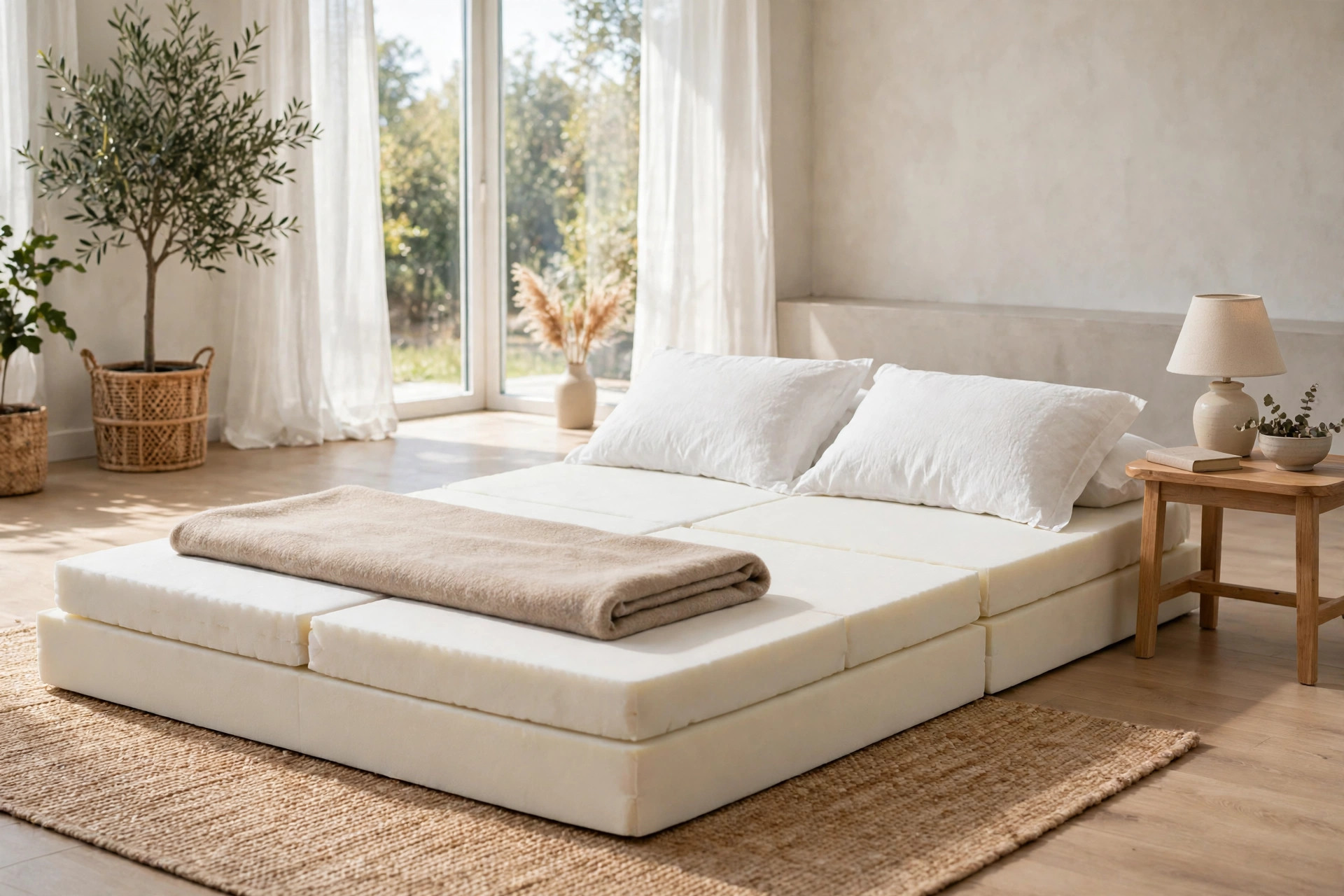
If friends and family often stay the night, choose a model that opens fully flat. Add a soft topper and a clean set of sheets, and your living room turns into a guest room. Most sofa-bed models cost between $300 and $600.
Best Premium Pick: High-Density Foam with Washable Covers
Premium models use denser foam — 2.0 PCF or more — so they keep their shape for years. The covers are thicker, softer, and easy to wash. Expect to pay between $800 and $1,200. It costs more, but it is the closest feel to a high-end cloud sofa.
How to Choose the Right Boneless Couch
- Measure your room and your door. Check the couch size, and leave space to walk around it.
- Check the foam density. For daily use, pick 1.8 PCF or higher. Low-density foam feels fine at first but flattens fast.
- Pick a washable cover. Removable covers make life easy. Corduroy and microfiber are simple to clean.
- Think about who will use it. For kids and pets, choose a strong fabric. For older family members, a higher normal sofa may be safer.
- Check the trial and return policy. Many brands give 30 days to test the couch at home. Keep the box until you are sure.
- Read real reviews. Look for what buyers say after a few months, not just on day one. Comments about sagging and smell are the most useful.
Simple Care Tips to Make It Last Longer

- Fluff the cushions once a week to keep their shape.
- Turn and rotate the pieces so one spot does not wear out first.
- Vacuum the fabric every week to remove dust and pet hair.
- Wash removable covers on a gentle wash, as the label says.
- Keep the couch out of strong, direct sunlight to protect the color and the foam.
- If one spot feels flat, leave it unused for a day. Foam often bounces back on its own.

Frequently Asked Questions
Is a boneless couch good for everyday use?
Yes, if you choose high-density foam. It is great for casual sitting, movies, and naps. If you sit upright and work from your sofa all day, a framed sofa with firm support may suit you better.
How long does a boneless couch last?
With normal use, about 3 to 5 years. Better foam and simple care can make it last longer.
Can you sleep on a boneless couch?
Many models open flat into a bed, so yes. It works well for guests and naps. For a softer sleep, add a thin mattress topper on top.
How long does a boneless couch take to expand?
Most models take 24 to 72 hours to reach their full size. A warm room helps the foam grow faster.
Is a boneless couch good for back pain?
It gives soft support, not firm support. If you have back problems, test one first, or choose a model with high-density foam and a higher backrest.
How do you clean a boneless couch?
Vacuum it every week. Most covers come off with a zip and can be machine washed on a gentle cycle. For small stains, use a damp cloth with a little mild soap.
Conclusion
A boneless couch is soft, light, and friendly to your wallet. It is easy to move, safe for kids, and perfect for a cozy, relaxed living room. The trade-off is a low seat and softer support, so it may not be right for everyone.
If your home style is warm and casual, this could be one of the best comfort buys of 2026. Measure your room, pick good foam, and choose a washable cover — then just sink in and enjoy.
Want more ideas for a warm and stylish home? Read our living room design ideas for your next makeover, and explore our kitchen design ideas if the kitchen is next on your list. At Designizo, we share simple design ideas made for real life.

3 thoughts on “Boneless Couch: Pros, Cons & Best Picks for a Cozy Living Room”