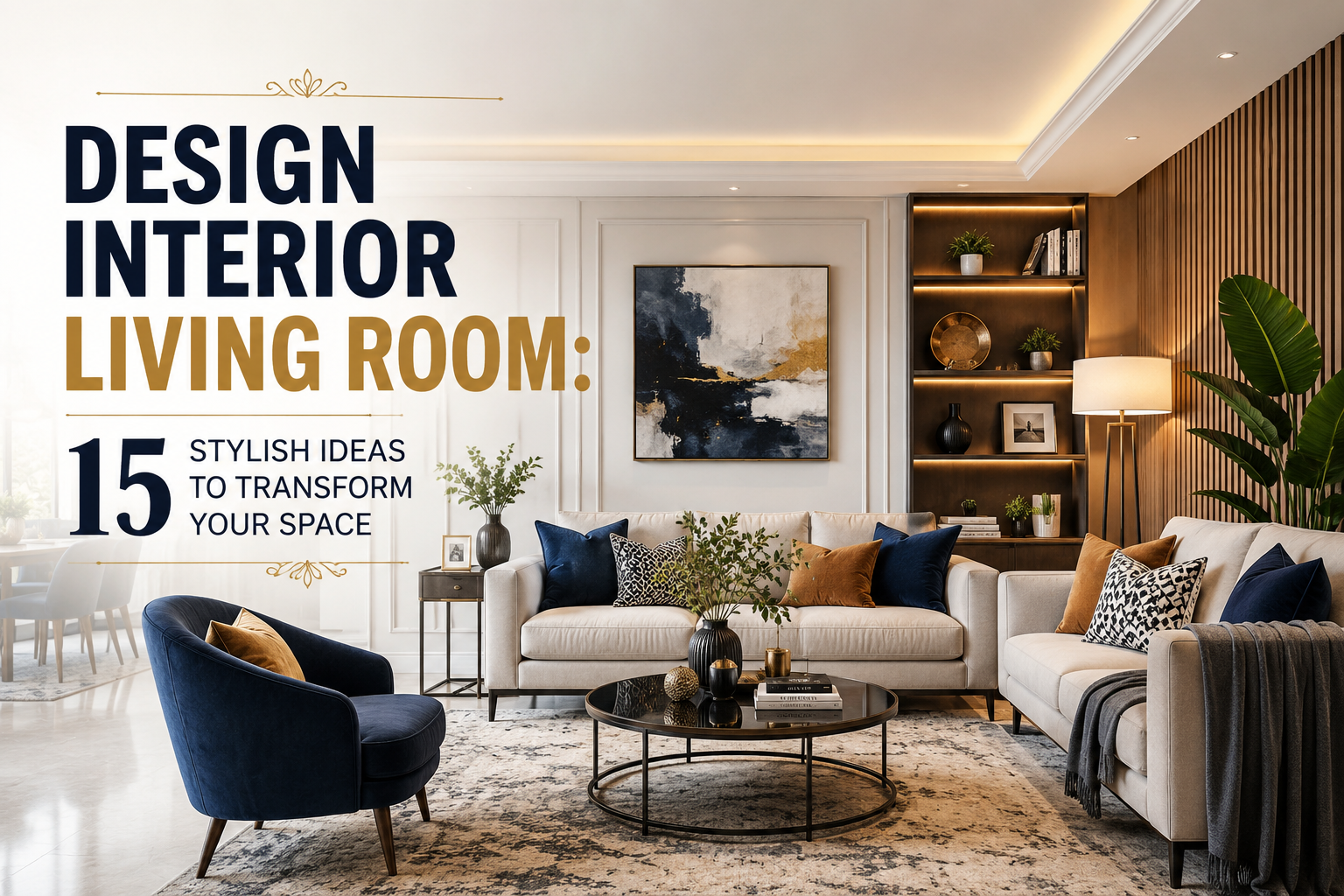
Discover beautiful design interior living room ideas to create a stylish, comfortable, and functional home with modern furniture, colors, lighting, and decor.
The living room is more than just a place to sit. It is often the first space guests see when they enter a home and one of the main areas where family members spend time together. That is why a thoughtful design interior living room plan can make a home feel more comfortable, organized, and welcoming.
A beautiful living room does not necessarily require expensive furniture or a complete renovation. Sometimes, changing the furniture arrangement, adding better lighting, introducing a few textures, or choosing a more coordinated color palette can completely refresh the space.
The best interior design combines beauty with everyday functionality. Your sofa should be comfortable, your tables should be practical, your lighting should create the right atmosphere, and your decorative pieces should reflect your personality.
A well-planned design interior living room can also improve the way you use your available space.
Whether you have a compact apartment living room, a spacious family room, or an open-plan home, these ideas can help you create a space that feels intentional and stylish.
What Makes a Good Living Room Interior Design?
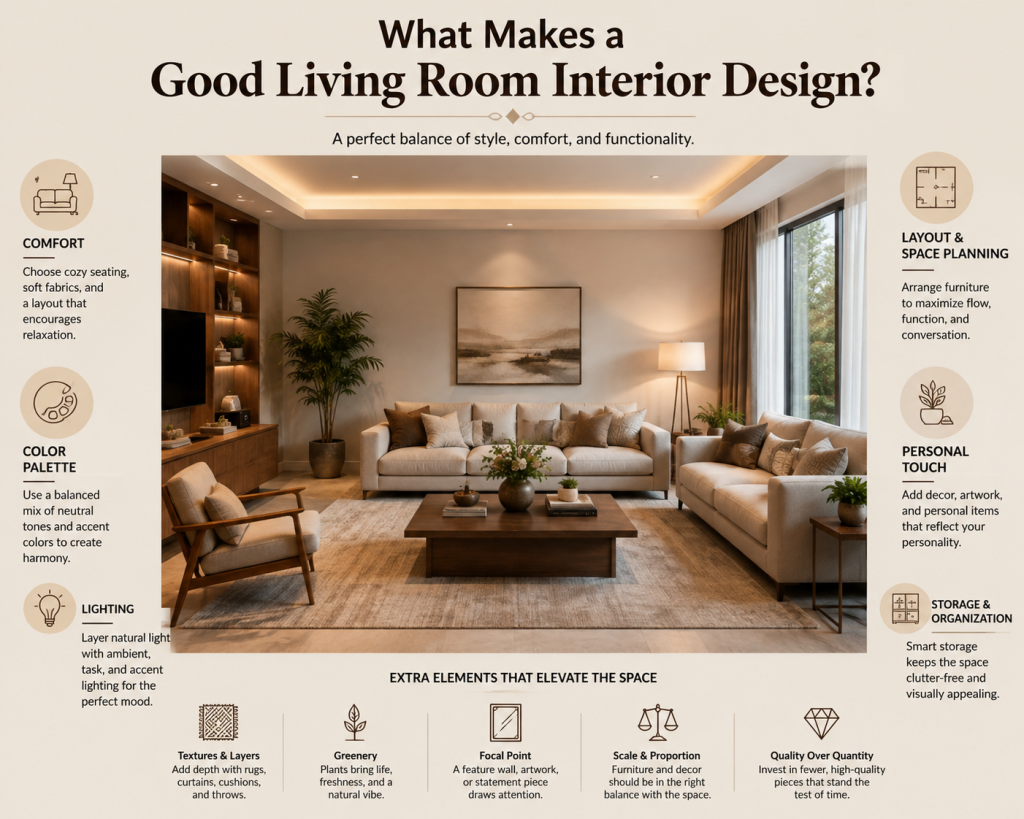
A successful design interior living room should consider both appearance and functionality.
The most important elements include:
- Comfortable furniture
- A balanced color palette
- Appropriate lighting
- Functional layout
- Decorative accessories
- Suitable rugs
- Window treatments
- Wall decor
- Storage solutions
- Natural elements
When these elements work together, the room feels complete rather than randomly decorated.
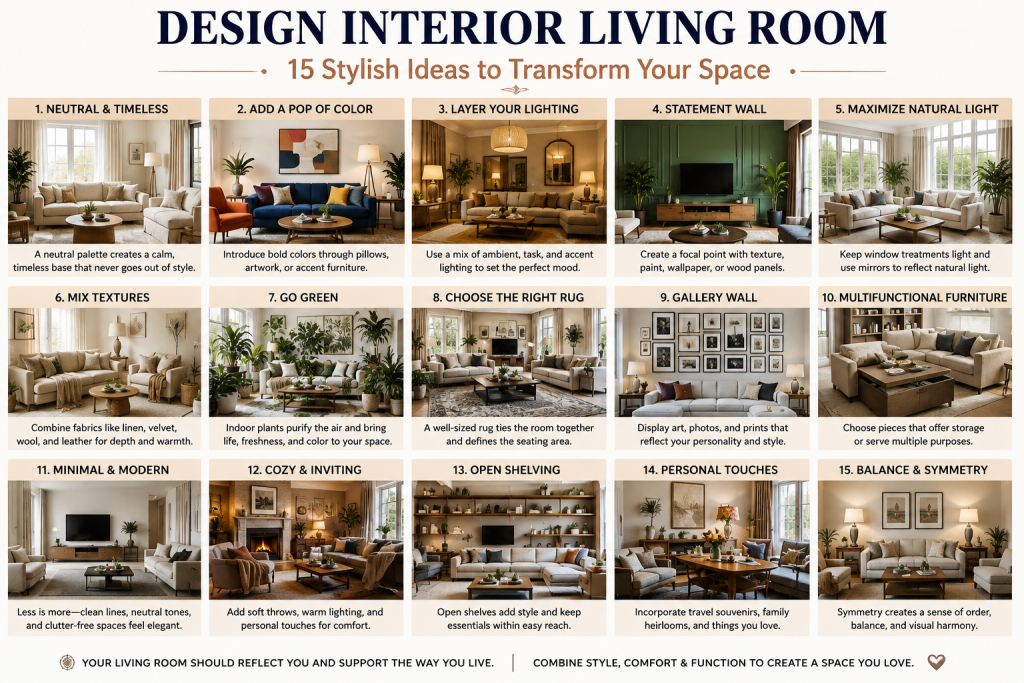
15 Design Interior Living Room Ideas
1. Start With the Room Layout
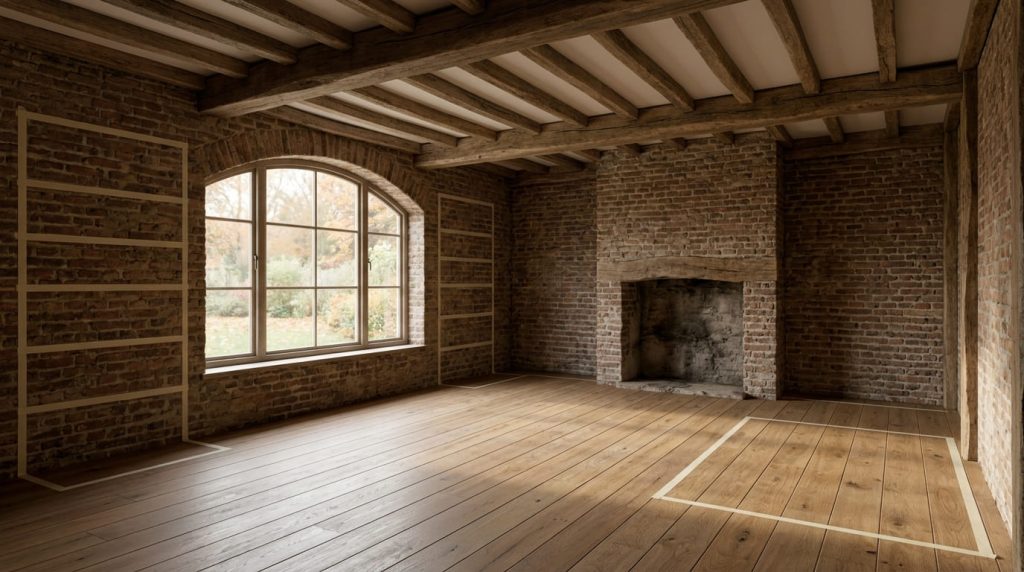
Before choosing decorations, think about how you use the room.
Ask yourself:
- Where do people usually sit?
- Is the room mainly used for watching TV?
- Do you entertain guests frequently?
- Is there enough space to walk around?
- Does the room need additional storage?
The answers will help determine where the sofa, chairs, tables, television, and other furniture should go.
Avoid placing furniture wherever there is an empty corner. Instead, create a layout that encourages conversation and allows people to move around comfortably.
2. Choose a Color Scheme That Feels Cohesive
Color is one of the easiest ways to change the mood of a living room.
A neutral base can provide flexibility, while accent colors add personality.
For example, you could use:
Cream + beige + warm brown
for a calm and natural atmosphere.
Or:
White + gray + navy
for a cleaner and more contemporary appearance.
For something warmer:
Beige + terracotta + olive green
can create a cozy and earthy feeling.
Try repeating accent colors in cushions, artwork, rugs, curtains, and small accessories so the room feels connected.

3. Make the Sofa the Center of the Room
In many homes, the sofa is the largest piece of furniture and naturally becomes the visual anchor.
Instead of hiding the sofa against a wall without considering the rest of the room, use it to establish the seating arrangement.
You can enhance it with:
- Decorative cushions
- A textured throw
- A side table
- A floor lamp
- Artwork
- A rug
Choose accessories that complement the sofa rather than covering it with too many decorations.
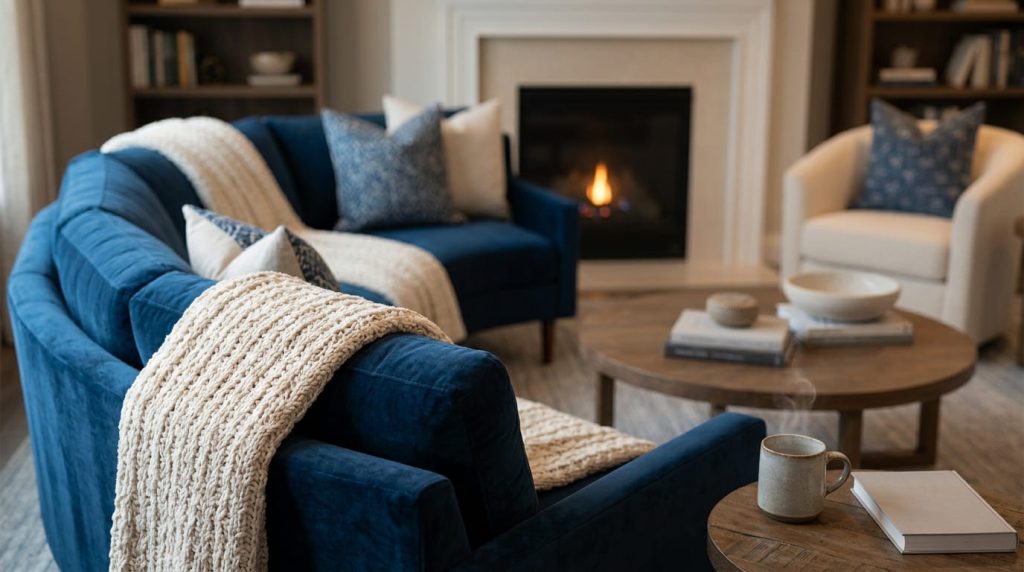
4. Mix Modern Furniture With Warm Materials
A modern Design Interior Living Room does not have to feel cold.
You can soften clean-lined furniture with natural materials such as wood, woven baskets, cotton, linen, and plants.
For example, a contemporary sofa paired with a wooden coffee table and woven rug can create a modern but comfortable atmosphere.
This combination works especially well when you want your room to look stylish without feeling like a formal showroom.

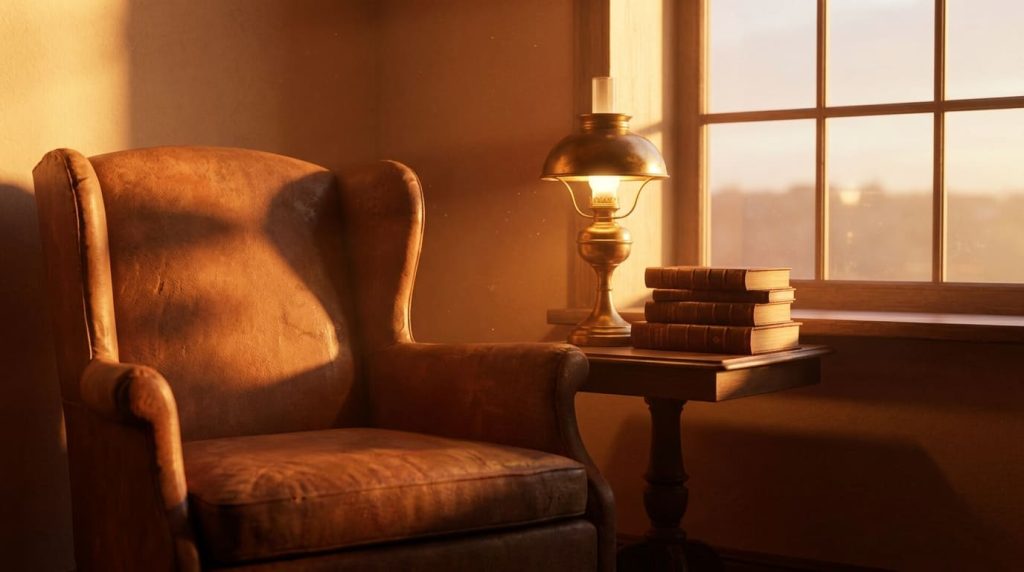
5. Use Lighting to Change the Atmosphere
Lighting can completely change how a design interior living room looks and feels. but it can have a major effect on the final appearance.
Instead of relying on a single ceiling light, use several sources of lighting.
Consider:
Main Lighting
A ceiling light can provide general illumination.
Task Lighting
A floor lamp beside a chair can provide focused light for reading.
Accent Lighting
Small lamps or decorative lights can highlight artwork, shelves, or architectural details.
Using several light sources gives you more control over the mood of the room.
6. Add a Statement Rug
A rug can define the seating area and add warmth underfoot.
If your furniture is neutral and simple, consider a patterned rug to introduce visual interest.
If the furniture already has strong colors or patterns, a simple neutral rug may create better balance.
Always consider the proportions of the room before buying a rug. A very small rug can make a large seating arrangement appear disconnected.

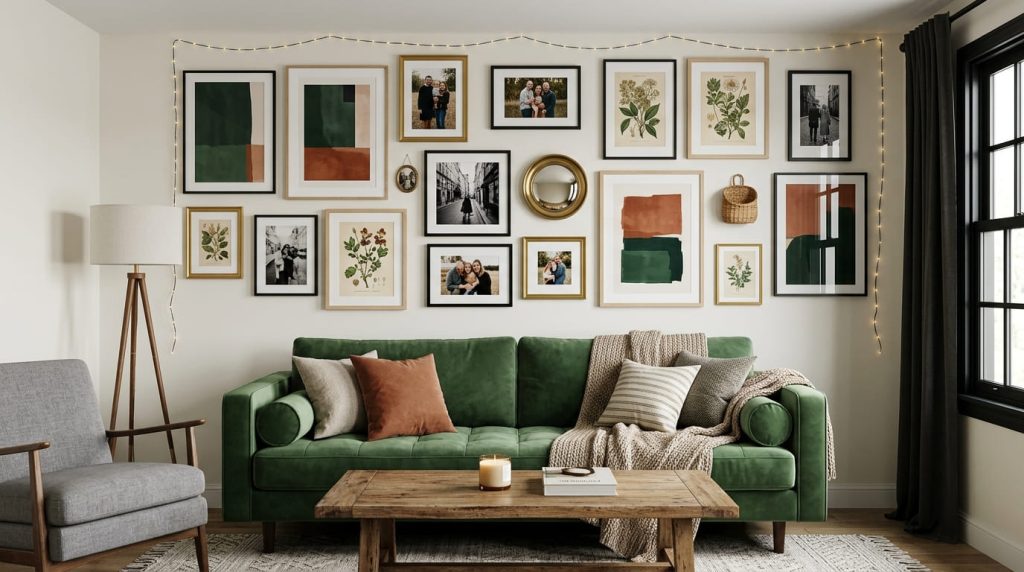
7. Decorate the Wall Behind the Sofa
The wall behind your sofa is valuable design space.
You can use it to create a focal point with:
- One large artwork
- A collection of framed prints
- A large mirror
- Floating shelves
- Decorative wall panels
- Family photographs
The artwork should be appropriately sized for the sofa. Tiny pieces can disappear on a large wall, while one oversized piece can create a strong visual statement.
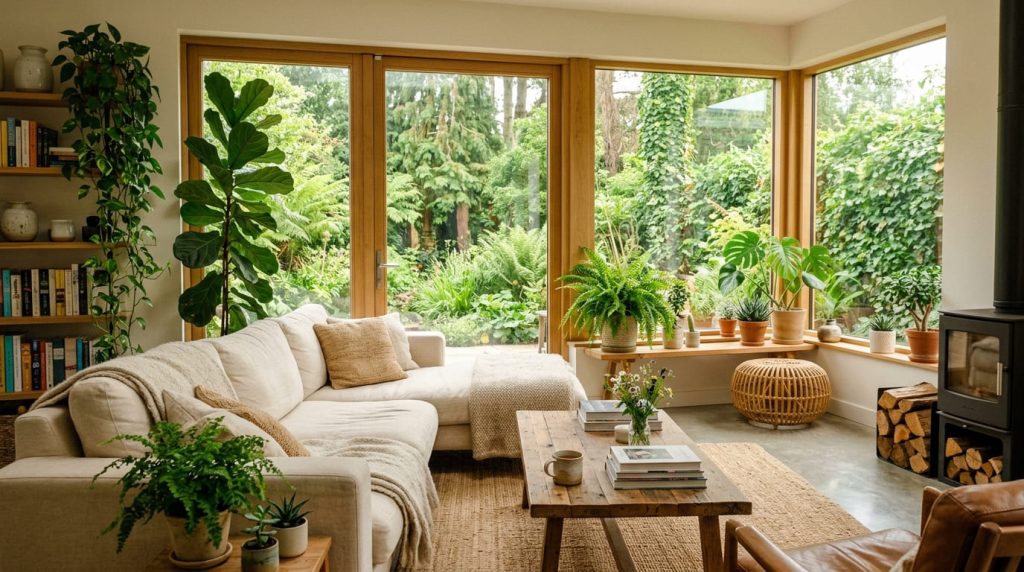
8. Bring Nature Into the Living Room
Plants can make an interior feel more lively and welcoming.
A tall plant can fill an empty corner, while smaller plants can be placed on shelves or side tables.
If you are new to indoor plants, consider varieties that are relatively easy to maintain.
You can also use natural materials such as:
- Wooden furniture
- Rattan baskets
- Woven rugs
- Stone accessories
- Natural-fiber textiles
These materials can add warmth and texture to the room.
9. Create a Cozy Layered Look
A room can feel more comfortable when different textures are layered together.
For example, combine:
Sofa + cushions + throw + rug + curtains + wooden furniture
The textures do not need to match exactly.
A smooth sofa can contrast beautifully with a knitted throw, textured cushions, and a woven rug.
Layering is especially useful when working with a neutral color palette because texture prevents the room from looking flat.
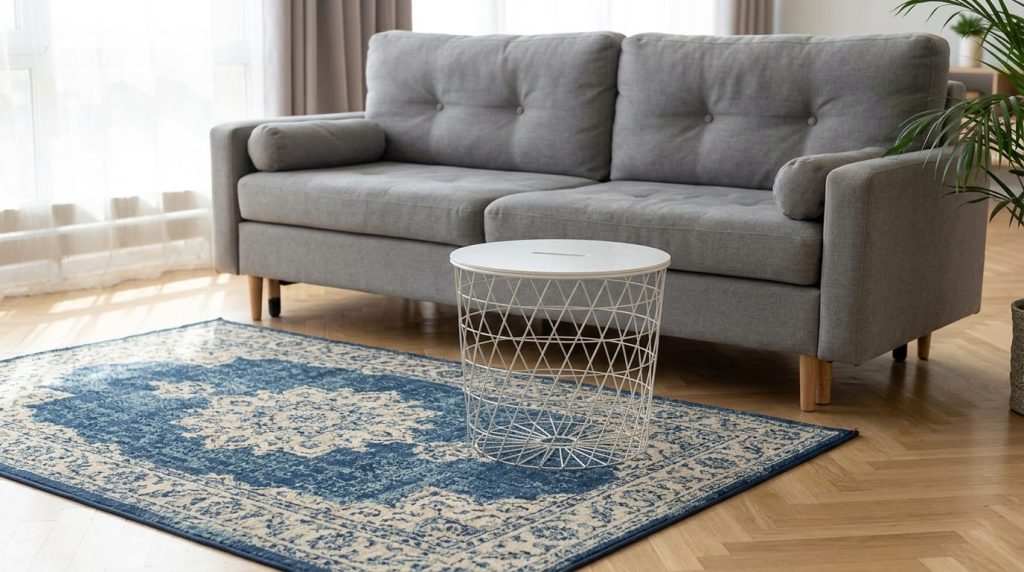
10. Choose a Coffee Table That Fits the Space
A coffee table should be practical as well as attractive.
Consider the size of your sofa and the amount of space available around it.
For smaller rooms, a round or compact coffee table can make movement easier.
For larger rooms, you may have enough space for a larger rectangular or oval table.
Decorate the surface with a few carefully chosen objects instead of filling every inch.
A tray, a small vase, and a couple of books may be enough.
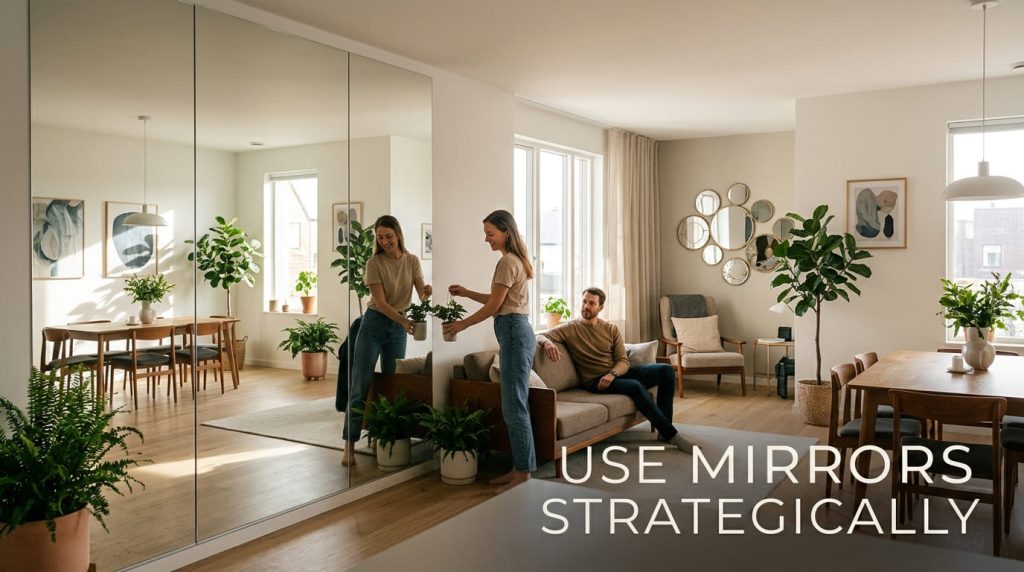
11. Use Mirrors Strategically
Mirrors can be particularly useful in rooms that feel dark or compact.
Place a mirror where it can reflect natural light or an attractive part of the room.
Good locations can include:
- Opposite a window
- Above a console table
- Behind a sofa
- On a narrow wall
A large mirror can become a decorative feature while also creating a sense of openness.
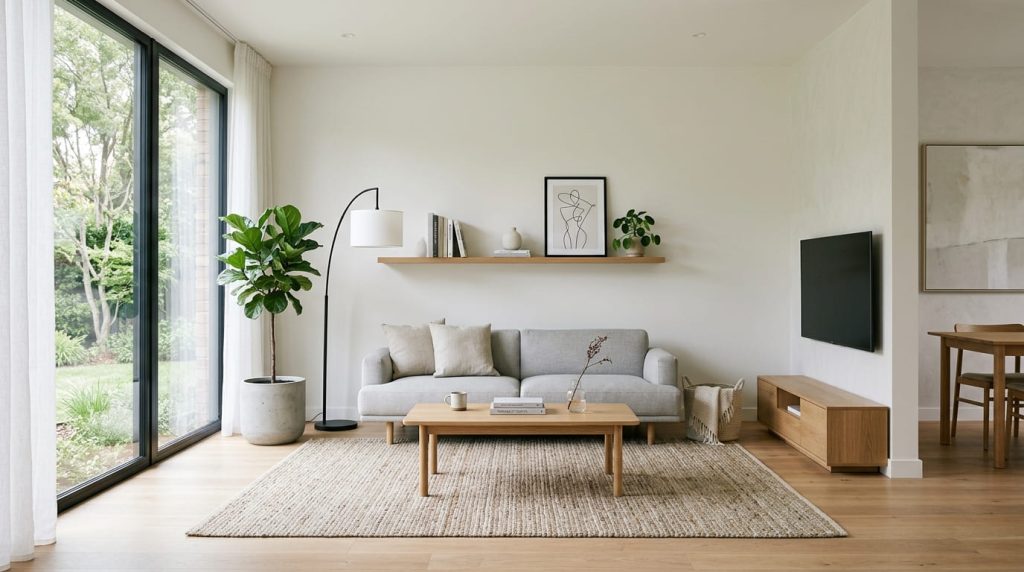
12. Create a Minimalist Living Room
Minimalism focuses on simplicity and purpose.
Instead of filling your living room with accessories, choose fewer pieces that have a clear purpose.
A minimalist room might include:
- A simple sofa
- A clean coffee table
- One large artwork
- A simple rug
- One or two plants
- Functional lighting
Keep surfaces relatively clear and use storage to hide items that are not needed every day.
13. Design a Luxury-Inspired Living Room
A luxurious-looking living room does not necessarily require expensive furniture.
Focus on details such as:
- Coordinated colors
- Quality-looking fabrics
- Elegant lighting
- Large artwork
- Decorative mirrors
- Metallic accents
- Carefully selected accessories
Avoid adding too many luxury-style decorations at once. A few well-placed details often create a more sophisticated appearance than a room filled with shiny objects.

14. Make Small Living Rooms Feel Larger
Small spaces can still have beautiful interiors.
Choose furniture carefully and avoid blocking natural light.
Useful ideas include:
- Light-colored walls
- Compact furniture
- Mirrors
- Multi-functional tables
- Vertical shelving
- Light curtains
- Minimal accessories
Keep the floor as open as possible. Too many pieces of furniture can make the room feel smaller.
15. Add Personal Details
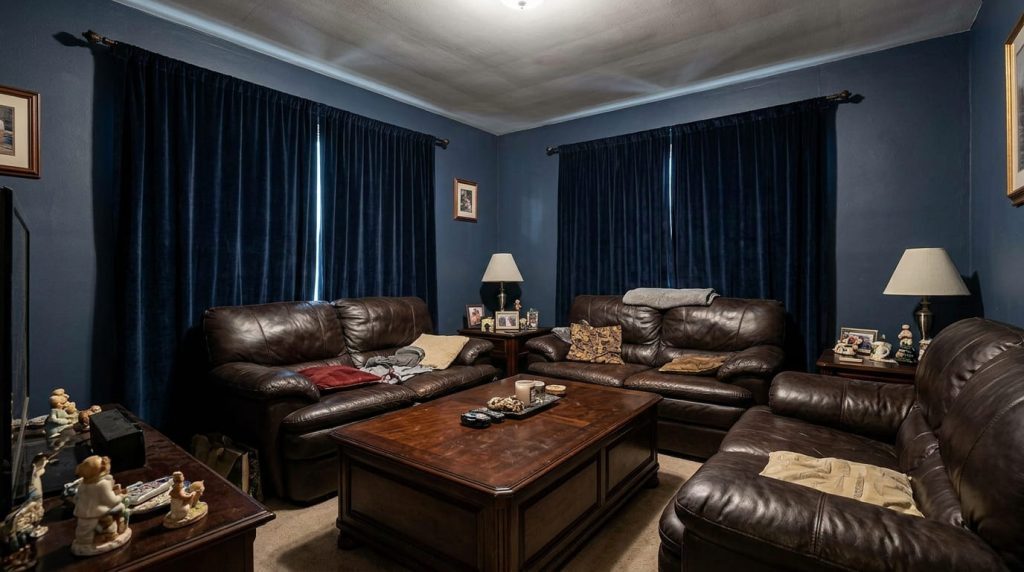
The final step in a successful design interior living room is adding personality.
A room should not look like a generic furniture showroom.
Consider displaying:
- Family photographs
- Travel memories
- Favorite books
- Handmade decorations
- Artwork
- Meaningful objects
Personal details make the space feel lived-in and unique.

Modern Design Interior Living Room Trends
Modern living room design often focuses on clean lines, comfortable furniture, natural materials, and simple decoration.
Some popular design directions include:
Warm Minimalism
Instead of a completely white minimalist room, use warm neutrals, wood, soft textiles, and natural colors.
Natural Interior Design
Wood, plants, stone, woven materials, and earthy colors can create a connection with nature.
Soft Contemporary Style
Combine modern furniture with comfortable textures, rounded shapes, and warm lighting.
Neutral Luxury
Cream, beige, brown, and soft gray can create an elegant foundation when combined with thoughtful lighting and quality-looking accessories.
How to Design a Living Room on a Budget
Refreshing a living room does not always require new furniture.
Try these affordable updates:
Rearrange the Furniture
A new layout can make the room feel completely different.
Change Cushion Covers
New covers can introduce a new color or pattern without replacing the sofa.
Update the Lighting
Changing a lampshade or adding a floor lamp can make a noticeable difference.
Add a Plant
One large plant can fill an empty corner and add natural color.
Declutter
Removing unnecessary objects can make your room look cleaner and more spacious.
Rearrange Existing Decor
Move artwork, books, vases, and accessories to different locations to create a fresh arrangement.
How to Choose Living Room Furniture
Furniture should be selected according to both style and room size.
Before buying anything, measure the available space.
Think about:
- Sofa dimensions
- Walking paths
- Door openings
- Window placement
- Television location
- Coffee table size
- Storage requirements
A beautiful piece of furniture is not useful if it makes the room difficult to move around.
How to Create a Comfortable Living Room
Comfort should always be part of interior design.
Choose seating with suitable support and add soft textiles.
You can create a comfortable atmosphere with:
- Soft cushions
- Cozy blankets
- Comfortable chairs
- Warm lighting
- Area rugs
- Curtains
- Plants
The room should look good but also feel inviting enough for everyday use.
Common Living Room Design Mistakes
Choosing Furniture Without Measuring
Always measure the room and furniture before purchasing.
Using Too Many Colors
A large number of unrelated colors can make the room feel visually busy.
Choosing a Rug That Is Too Small
The rug should be appropriately sized for the seating arrangement.
Ignoring Lighting
A single harsh ceiling light may not create a comfortable atmosphere.
Filling Every Empty Space
Not every corner needs decoration. Empty space can help the room breathe.
Sacrificing Comfort for Appearance
Furniture should look attractive but also be comfortable enough for everyday use.
Design Interior Living Room Checklist
Before finishing your room, review these points:
- Choose a clear color palette.
- Measure furniture before buying.
- Create comfortable walking paths.
- Make the sofa a focal point.
- Use more than one light source.
- Select the right rug size.
- Add different textures.
- Include some greenery.
- Keep decorations balanced.
- Add personal touches.
- Keep everyday items organized.
Frequently Asked Questions
What is the most important part of living room interior design?
The layout is one of the most important starting points because it determines how comfortably people can move and use the room. Furniture, lighting, colors, and decor can then be built around the layout.
How can I make my living room look modern?
Use clean-lined furniture, a coordinated color palette, simple artwork, layered lighting, and a few carefully selected accessories. Natural materials can also make a modern space feel warmer.
What colors make a living room look elegant?
Neutral shades such as cream, beige, warm white, gray, and brown can create an elegant foundation. Accent colors such as navy, olive, or terracotta can add personality.
How do I decorate a small living room?
Use appropriately sized furniture, light colors, mirrors, good lighting, and limited accessories. Multi-functional furniture can also help save space.
How can I make my living room cozy?
Add soft cushions, throws, rugs, warm lighting, plants, and natural materials. A comfortable furniture arrangement also contributes to a cozy atmosphere.
How do I make a living room look expensive?
Focus on proportion, coordination, lighting, and quality-looking materials. Keep the room organized and avoid excessive decoration.
What should I put on a living room wall?
Artwork, mirrors, photographs, floating shelves, or decorative wall panels can work well. Select an option that suits the size and style of the room.
Should all living room furniture match?
No. Furniture does not need to be identical. Coordinating colors, materials, or design elements can create a cohesive look while allowing some variety.
How can I update my living room without renovating?
Rearrange furniture, change textiles, improve lighting, add plants, update wall decor, declutter, and introduce a new accent color.
What makes a living room look professionally designed?
Good proportions, a cohesive color palette, balanced furniture placement, layered lighting, appropriate accessories, and a combination of textures can make a room feel thoughtfully designed.
Conclusion
A beautiful design interior living room is created by combining style, comfort, and functionality. You do not need to follow every trend or completely renovate your home to achieve an attractive result.
Start by understanding your room’s size and layout. Choose furniture that fits the space, create a coordinated color palette, and then build the design with rugs, lighting, curtains, plants, artwork, and accessories.
Most importantly, leave room for your personality. Family photographs, favorite books, meaningful objects, and personal artwork can make the space feel genuinely yours.
Whether you prefer modern minimalism, warm contemporary interiors, natural decor, or a luxury-inspired look, thoughtful planning can transform your living room into a comfortable and inviting part of your home.
7 thoughts on “Design Interior Living Room: 15 Stylish Ideas to Transform Your Space”